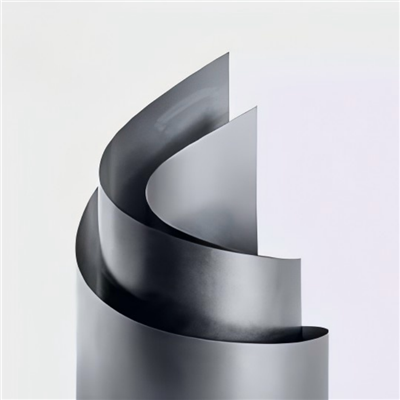
Pure Expanded Flexible Graphite Sheet is a remarkable material known for its excellent properties such as high thermal conductivity, chemical resistance, and flexibility. As a supplier of Pure Expanded Flexible Graphite Sheet, I understand the importance of proper packaging methods to ensure the quality and integrity of the product during transportation and storage. In this blog, I will discuss the typical packaging methods for Pure Expanded Flexible Graphite Sheet.
1. Packaging Requirements for Pure Expanded Flexible Graphite Sheet
Before delving into specific packaging methods, it is essential to understand the packaging requirements for Pure Expanded Flexible Graphite Sheet. This material is relatively soft and can be easily damaged or deformed if not packaged correctly. The packaging should protect the sheet from physical damage, moisture, dust, and other contaminants. It should also be designed in a way that allows for easy handling and storage.
2. Plastic Film Wrapping
One of the most common packaging methods for Pure Expanded Flexible Graphite Sheet is plastic film wrapping. This method involves wrapping the graphite sheet tightly with a layer of plastic film, such as polyethylene or polypropylene film. The plastic film provides a protective barrier against moisture, dust, and minor physical impacts.
-
Advantages
- Moisture Resistance: The plastic film effectively blocks moisture, preventing the graphite sheet from getting wet, which could affect its performance.
- Dust Prevention: It keeps dust and other small particles from adhering to the surface of the graphite sheet.
- Cost - Effective: Plastic film is relatively inexpensive, making it a cost - efficient packaging option.
- Flexibility: The film can conform to the shape of the graphite sheet, providing a snug fit.
-
Disadvantages
- Environmental Impact: Plastic film is not biodegradable and can contribute to environmental pollution.
- Limited Protection against Heavy Impact: While it can protect against minor impacts, it may not be sufficient for heavy - duty protection.
3. Cardboard Box Packaging
Cardboard boxes are another widely used packaging option for Pure Expanded Flexible Graphite Sheet. The sheets are placed inside a cardboard box, which provides additional structural support and protection.
-
Advantages
- Structural Integrity: Cardboard boxes offer good protection against physical impacts during transportation and handling. They can withstand some degree of compression without damaging the graphite sheets inside.
- Customizability: Cardboard boxes can be easily customized in terms of size, shape, and printing. Labels and handling instructions can be printed on the box for easy identification.
- Easy Handling: The boxes are relatively lightweight and easy to stack, which is convenient for storage and transportation.
-
Disadvantages
- Vulnerable to Moisture: Cardboard is prone to damage from moisture. If the box gets wet, it can lose its structural integrity and may not provide adequate protection for the graphite sheet.
- Higher Cost: Compared to plastic film, cardboard boxes are generally more expensive, especially if custom - made boxes are required.
4. Vacuum Packaging
Vacuum packaging is a more advanced packaging method for Pure Expanded Flexible Graphite Sheet. In this process, the graphite sheet is placed in a special vacuum bag, and the air is removed from the bag to create a vacuum environment.
-
Advantages
- Enhanced Protection: The vacuum environment reduces the risk of oxidation, moisture absorption, and contamination. It also helps to keep the graphite sheet in a compact and stable state.
- Long - Term Storage: Vacuum - packed graphite sheets can be stored for a longer time without significant degradation in quality.
- Reduced Volume: By removing the air, the volume of the packaged product is reduced, which can save storage space and transportation costs.
-
Disadvantages
- Equipment Requirement: Vacuum packaging requires specialized equipment, which increases the initial investment.
- Fragility of Packaging: The vacuum - sealed bags can be easily punctured, which may compromise the protection of the graphite sheet.
5. Combination Packaging
In many cases, a combination of packaging methods is used to provide the best possible protection for Pure Expanded Flexible Graphite Sheet. For example, the graphite sheet can be first wrapped with plastic film and then placed in a cardboard box. This combination takes advantage of the moisture - resistant properties of the plastic film and the structural support of the cardboard box.
6. Packaging for Different Types of Pure Expanded Flexible Graphite Sheet
Different types of Pure Expanded Flexible Graphite Sheet may require specific packaging considerations. For instance:
- Molded Graphite Sheet: These sheets are often more rigid than regular expanded flexible graphite sheets. They may require less flexible packaging but still need protection from scratches and impacts. A combination of plastic film wrapping and a sturdy cardboard box can be suitable.
- Thermally Conductive Graphite Sheet: Since the thermal conductivity is a crucial property, the packaging should not affect the surface quality of the sheet. Vacuum packaging can be a good choice to prevent any surface contamination that could potentially reduce the thermal conductivity.
- Electrically Conductive Graphite Sheet: Similar to thermally conductive sheets, the electrical conductivity needs to be maintained. The packaging should protect the sheet from static electricity and physical damage. Anti - static plastic film and a well - cushioned cardboard box can be used.
- Thin Graphite Sheet: Thin graphite sheets are more delicate and prone to tearing. A soft and flexible packaging material, such as a thick plastic film or a padded envelope, can be used to protect them.
7. Importance of Proper Labeling
In addition to the packaging itself, proper labeling is also crucial. The label should include information such as the product name (Pure Expanded Flexible Graphite Sheet), size, thickness, quantity, and any special handling instructions. This information helps the customer to identify the product easily and handle it correctly.


8. Conclusion and Call to Action
In conclusion, choosing the right packaging method for Pure Expanded Flexible Graphite Sheet is essential to ensure its quality and performance when it reaches the customer. Whether it is plastic film wrapping, cardboard box packaging, vacuum packaging, or a combination of these methods, each has its own advantages and disadvantages. As a supplier, we are committed to providing high - quality Pure Expanded Flexible Graphite Sheet with the most appropriate packaging to meet your needs.
If you are interested in purchasing Pure Expanded Flexible Graphite Sheet or have any questions about our products and packaging, please feel free to contact us for further discussion. We look forward to serving you and building a long - term business relationship.
References
- "Handbook of Packaging Technology" by Wilmer A. Jenkins and James P. Harrington
- "Packaging Materials and Processes" by Raj Gupta