


How does a cylinder gasket work?
As a dedicated supplier of cylinder gaskets, I've witnessed firsthand the crucial role these components play in the smooth operation of engines. A cylinder gasket is a thin, flat seal placed between the engine block and the cylinder head. Its primary function is to seal the combustion chambers, coolant passages, and oil galleries, preventing the leakage of gases, coolant, and oil. In this blog, I'll delve into the intricate workings of a cylinder gasket, exploring its design, materials, and the forces it must withstand.
Design and Structure
Cylinder gaskets come in various designs, each tailored to the specific requirements of different engines. The most common types include multi-layer steel (MLS) gaskets, composite gaskets, and copper gaskets. MLS gaskets are made up of multiple layers of steel, which provide excellent sealing performance and durability. Composite gaskets, on the other hand, are made from a combination of materials such as graphite, rubber, and metal, offering a balance of flexibility and strength. Copper gaskets are known for their high thermal conductivity and ability to withstand extreme temperatures.
The design of a cylinder gasket is carefully engineered to ensure a proper seal. It typically features a series of holes and channels that align with the corresponding openings in the engine block and cylinder head. These holes allow for the passage of gases, coolant, and oil, while the channels help to distribute the pressure evenly across the gasket surface. Additionally, the gasket may have raised beads or embossments along its edges to enhance the sealing effect.
Sealing Mechanism
The sealing mechanism of a cylinder gasket is based on the principle of compression. When the cylinder head is tightened onto the engine block, the gasket is compressed between the two surfaces, creating a tight seal. The compression force causes the gasket material to deform slightly, filling in any irregularities or gaps between the engine block and cylinder head. This deformation helps to prevent the leakage of gases, coolant, and oil.
In addition to compression, the sealing performance of a cylinder gasket is also influenced by the surface finish of the engine block and cylinder head. A smooth, flat surface provides a better seal than a rough or uneven surface. Therefore, it's essential to ensure that the mating surfaces are properly machined and cleaned before installing the gasket.
Forces Acting on the Cylinder Gasket
During engine operation, the cylinder gasket is subjected to a variety of forces that can affect its sealing performance. These forces include combustion pressure, thermal expansion, and vibration.
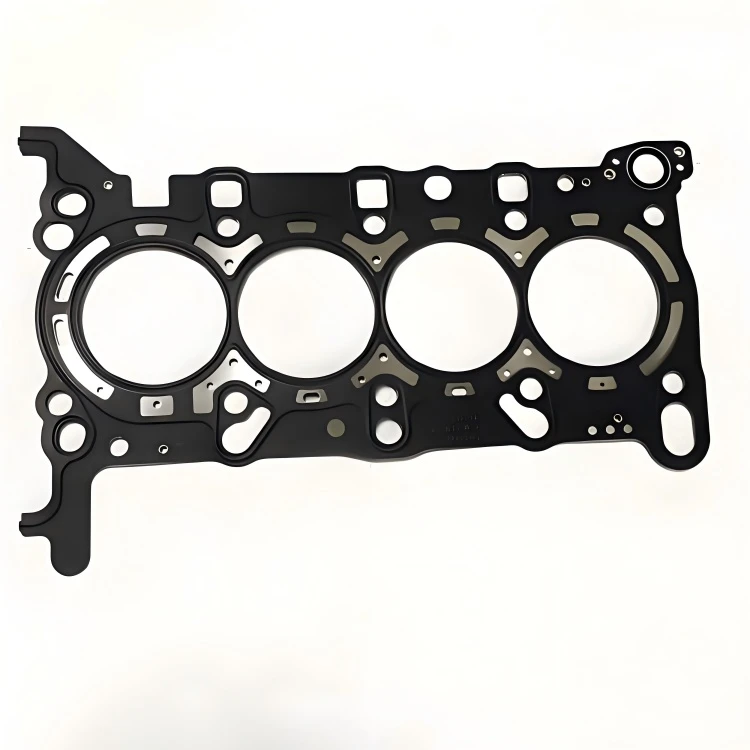

Combustion pressure is the force generated by the burning of fuel in the combustion chambers. This pressure can reach extremely high levels, especially in high-performance engines. The cylinder gasket must be able to withstand these pressures without leaking. To achieve this, the gasket is designed to have a high compression strength and a low permeability to gases.
Thermal expansion is another factor that can affect the sealing performance of the cylinder gasket. As the engine heats up during operation, the metal components expand. This expansion can cause the gap between the engine block and cylinder head to increase, potentially leading to leakage. To compensate for thermal expansion, the cylinder gasket is made from materials that have a similar coefficient of thermal expansion to the engine block and cylinder head.
Vibration is also a common issue in engines. The constant movement of the pistons, valves, and other components can cause the engine to vibrate. These vibrations can loosen the cylinder head bolts and disrupt the seal between the engine block and cylinder head. To prevent this, the cylinder gasket is designed to have a high damping capacity, which helps to absorb the vibrations and maintain a tight seal.
Materials Used in Cylinder Gaskets
The choice of materials for a cylinder gasket depends on several factors, including the type of engine, the operating conditions, and the desired performance. Some of the most commonly used materials in cylinder gaskets include:
- Steel: Steel is a popular choice for cylinder gaskets due to its high strength, durability, and resistance to corrosion. Multi-layer steel (MLS) gaskets are made up of multiple layers of steel, which provide excellent sealing performance and can withstand high pressures and temperatures.
- Graphite: Graphite is a soft, lubricious material that has excellent sealing properties. It is often used in composite gaskets, where it is combined with other materials such as rubber and metal. Graphite gaskets are known for their flexibility, high temperature resistance, and ability to conform to irregular surfaces.
- Copper: Copper is a highly conductive material that has excellent thermal and electrical properties. It is often used in high-performance engines, where it can help to dissipate heat and prevent overheating. Copper gaskets are also known for their ability to withstand high pressures and temperatures.
- Rubber: Rubber is a flexible, elastic material that is often used in the sealing of coolant and oil passages. It is resistant to water, oil, and chemicals, and can provide a good seal even under low compression forces.
Importance of a Properly Functioning Cylinder Gasket
A properly functioning cylinder gasket is essential for the reliable operation of an engine. If the gasket fails, it can lead to a variety of problems, including:
- Loss of compression: A leaking cylinder gasket can cause a loss of compression in the combustion chambers, resulting in reduced power and performance.
- Coolant leakage: Coolant leakage can lead to overheating, which can cause serious damage to the engine.
- Oil leakage: Oil leakage can contaminate the coolant and cause damage to the engine's lubrication system.
- Exhaust gas leakage: Exhaust gas leakage can be a safety hazard, as it can release harmful pollutants into the environment.
Therefore, it's important to regularly inspect the cylinder gasket for signs of wear or damage and replace it if necessary.
Our Cylinder Gasket Offerings
As a leading supplier of cylinder gaskets, we offer a wide range of products to meet the needs of different engines. Our Metal Cylinder Gasket is made from high-quality steel and is designed to provide excellent sealing performance and durability. It is suitable for use in a variety of engines, including gasoline, diesel, and natural gas engines.
Our High-Seal Cylinder Gasket is a composite gasket that combines the benefits of graphite and rubber. It is designed to provide a high level of sealing performance, even under extreme conditions. This gasket is ideal for use in high-performance engines and applications where a reliable seal is critical.
Contact Us for Your Cylinder Gasket Needs
If you're in the market for a high-quality cylinder gasket, look no further. Our team of experts is dedicated to providing you with the best products and services. Whether you need a standard gasket or a custom-designed solution, we have the expertise and resources to meet your needs. Contact us today to discuss your requirements and learn more about our cylinder gasket offerings.
References
- Heywood, J. B. (1988). Internal Combustion Engine Fundamentals. McGraw-Hill.
- Taylor, C. F. (1985). The Internal Combustion Engine in Theory and Practice. MIT Press.
- Stone, R. (1999). Introduction to Internal Combustion Engines. Society of Automotive Engineers.


