


As a supplier of High - Seal Cylinder Gaskets, I've witnessed firsthand the critical role these components play in the heart of an engine. The interaction between a High - Seal Cylinder Gasket, the cylinder head, and the block is a complex yet fascinating process that ensures the smooth and efficient operation of an engine.
The Basics of Cylinder Gaskets
Before delving into the interaction, it's essential to understand what a cylinder gasket is. A cylinder gasket is a seal that sits between the engine block and the cylinder head. Its primary function is to seal the combustion chambers, prevent coolant and oil from leaking, and maintain the compression ratio within the cylinders. There are different types of cylinder gaskets, including the High - Seal Cylinder Gasket and the Metal Cylinder Gasket. Each type has its unique properties and advantages, but the High - Seal Cylinder Gasket is particularly known for its superior sealing capabilities.
Physical Interaction
When the engine is assembled, the High - Seal Cylinder Gasket is carefully placed between the cylinder head and the block. The cylinder head is then bolted down onto the block with a specific torque specification. This torque is crucial as it determines the amount of pressure applied to the gasket. The gasket must be compressed evenly across its surface to create a proper seal.
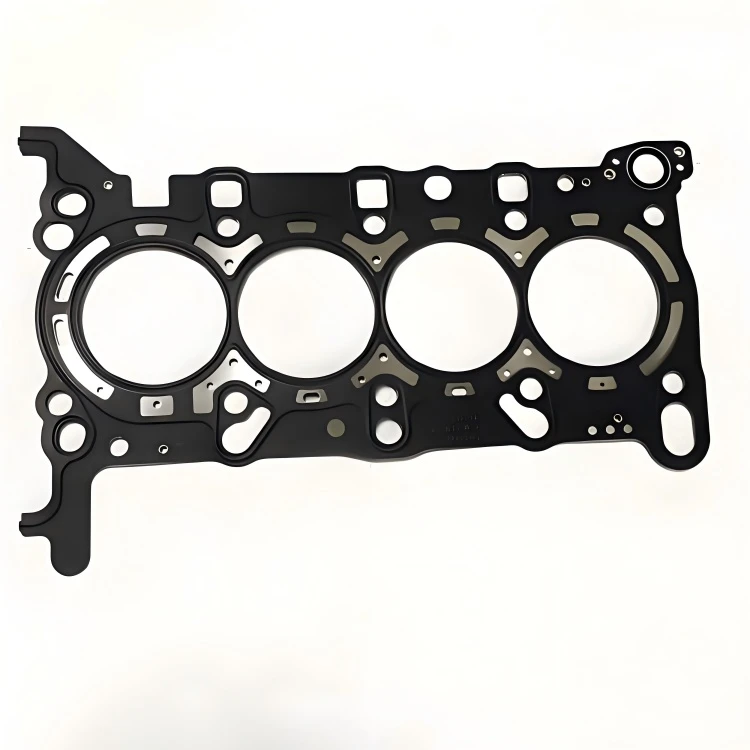
The physical design of the High - Seal Cylinder Gasket is engineered to conform to the irregularities of the cylinder head and block surfaces. Even the most precisely machined surfaces have microscopic imperfections. The gasket material, which is often a combination of high - strength materials, can fill these gaps and irregularities. For example, some High - Seal Cylinder Gaskets use multi - layer steel (MLS) construction. The layers of steel are designed to flex and adapt to the surface variations, ensuring a tight seal.
Sealing the Combustion Chambers
One of the most critical functions of the High - Seal Cylinder Gasket is to seal the combustion chambers. During the combustion process, the air - fuel mixture is ignited, creating high - pressure gases. These gases can reach extremely high temperatures and pressures. The gasket must be able to withstand these conditions without leaking.
The High - Seal Cylinder Gasket forms a barrier between the combustion chamber and the outside environment. It prevents the high - pressure gases from escaping into the coolant passages or oil galleries. If the gasket fails to seal properly, it can lead to a loss of compression, which reduces engine power and efficiency. In severe cases, it can also cause overheating and engine damage.
To achieve this high - level of sealing, the gasket has a special design around the combustion chamber openings. There are often raised beads or sealing rings that are compressed against the cylinder head and block. These beads are designed to concentrate the pressure and create a more effective seal.
Preventing Coolant and Oil Leaks
In addition to sealing the combustion chambers, the High - Seal Cylinder Gasket also plays a vital role in preventing coolant and oil leaks. Coolant is used to regulate the engine temperature, while oil lubricates the moving parts. If either of these fluids leaks, it can cause significant problems.
The gasket has specific sealing areas for the coolant passages and oil galleries. These areas are designed to prevent the coolant and oil from mixing or leaking out of the engine. For example, the gasket may have rubber or silicone seals around the coolant passages. These materials are resistant to the corrosive effects of the coolant and can maintain a tight seal over time.
Thermal and Chemical Resistance
The High - Seal Cylinder Gasket is exposed to extreme thermal and chemical conditions. The combustion process generates high temperatures, and the coolant and oil contain various chemicals. The gasket material must be able to withstand these conditions without degrading.
High - temperature resistance is essential as the gasket can be exposed to temperatures of several hundred degrees Celsius. The material must not melt or lose its sealing properties at these high temperatures. Chemical resistance is also crucial as the coolant and oil can contain additives and contaminants that can attack the gasket material.
Many High - Seal Cylinder Gaskets are treated with special coatings or additives to enhance their thermal and chemical resistance. For example, some gaskets have a ceramic coating that can improve their heat resistance. Others are treated with corrosion - resistant chemicals to protect against the effects of the coolant and oil.
Dynamic Interaction During Engine Operation
The interaction between the High - Seal Cylinder Gasket, the cylinder head, and the block is not static. During engine operation, the cylinder head and block expand and contract due to temperature changes. The gasket must be able to adapt to these dynamic changes.
As the engine heats up, the cylinder head and block expand. The High - Seal Cylinder Gasket must be able to accommodate this expansion without losing its seal. Similarly, when the engine cools down, the components contract, and the gasket must still maintain a tight seal. This dynamic interaction requires the gasket to have excellent elasticity and resilience.
Impact on Engine Performance
The proper interaction of the High - Seal Cylinder Gasket with the cylinder head and block has a direct impact on engine performance. A well - sealed gasket ensures that the engine can operate at its optimal efficiency. It maintains the compression ratio, which is essential for power output and fuel economy.
If the gasket fails or does not seal properly, it can lead to a variety of problems. Loss of compression can cause misfires, rough idling, and reduced power. Coolant or oil leaks can lead to overheating, lubrication problems, and engine damage. Therefore, choosing a high - quality High - Seal Cylinder Gasket is crucial for the long - term performance and reliability of an engine.
Quality Control and Testing
As a supplier of High - Seal Cylinder Gaskets, we understand the importance of quality control and testing. Each gasket undergoes a series of rigorous tests to ensure its performance and reliability. These tests include pressure testing, temperature cycling, and chemical resistance testing.

Pressure testing is used to simulate the high - pressure conditions within the combustion chamber. The gasket is subjected to a specific pressure to ensure that it can maintain a seal. Temperature cycling tests expose the gasket to a range of temperatures to evaluate its ability to adapt to thermal expansion and contraction. Chemical resistance testing checks the gasket's resistance to the coolant and oil chemicals.
Choosing the Right High - Seal Cylinder Gasket
When it comes to choosing a High - Seal Cylinder Gasket, there are several factors to consider. The engine type, application, and operating conditions all play a role in determining the appropriate gasket. For example, a high - performance engine may require a gasket with higher temperature and pressure resistance.
It's also important to choose a gasket from a reputable supplier. A reliable supplier will have a proven track record of producing high - quality gaskets. They will also provide technical support and guidance to ensure that the gasket is installed correctly.
Conclusion
In conclusion, the interaction between a High - Seal Cylinder Gasket, the cylinder head, and the block is a complex and critical process. The gasket must be able to withstand high - pressure, high - temperature, and chemical conditions while maintaining a tight seal. As a supplier of High - Seal Cylinder Gaskets, we are committed to providing products that meet the highest standards of quality and performance.
If you are in the market for a High - Seal Cylinder Gasket, we invite you to contact us for more information. Our team of experts can help you choose the right gasket for your specific application and provide you with the support you need for a successful installation.
References
- Heywood, J. B. (1988). Internal Combustion Engine Fundamentals. McGraw - Hill.
- Taylor, C. F. (1985). The Internal - Combustion Engine in Theory and Practice. MIT Press.
- Society of Automotive Engineers (SAE). Various technical papers on engine gaskets and sealing technologies.


