


Graphite film has emerged as a crucial material in various industries, especially in the field of thermal management. As a leading graphite film supplier, we understand the importance of the stability characteristics of graphite film over time. In this blog, we will delve into the key aspects of graphite film stability, exploring how it behaves and maintains its performance as time passes.
Physical and Chemical Stability
Graphite film is composed of carbon atoms arranged in a hexagonal lattice structure, which gives it unique physical and chemical properties. One of the most significant advantages of graphite film is its high thermal conductivity. This property remains relatively stable over time, as the carbon - carbon bonds in the graphite lattice are strong and resistant to degradation.
The chemical stability of graphite film is also remarkable. It is highly resistant to oxidation and corrosion under normal operating conditions. Graphite has a high melting point, and its chemical inertness means that it can withstand a wide range of chemical environments without significant deterioration. For example, in electronic devices, where graphite film is often used for heat dissipation, it can maintain its integrity even in the presence of small amounts of moisture or mild chemicals.
Thermal Stability
Thermal stability is a critical factor when considering the long - term performance of graphite film. Graphite film can effectively conduct heat over a wide temperature range. It retains its thermal conductivity even at high temperatures, which is essential for applications in high - power electronic devices.
When exposed to elevated temperatures, the structure of graphite film remains relatively stable. The carbon atoms in the graphite lattice do not easily break apart, ensuring that the heat - spreading capabilities of the film are maintained. This thermal stability is crucial for the long - term reliability of electronic devices, as it helps to prevent overheating and extends the lifespan of the components.
Mechanical Stability
Mechanical stability is another important aspect of graphite film. Graphite film is flexible and can be easily bent, folded, or cut without losing its functionality. This flexibility allows it to be used in a variety of applications, such as in curved displays or wearable devices.
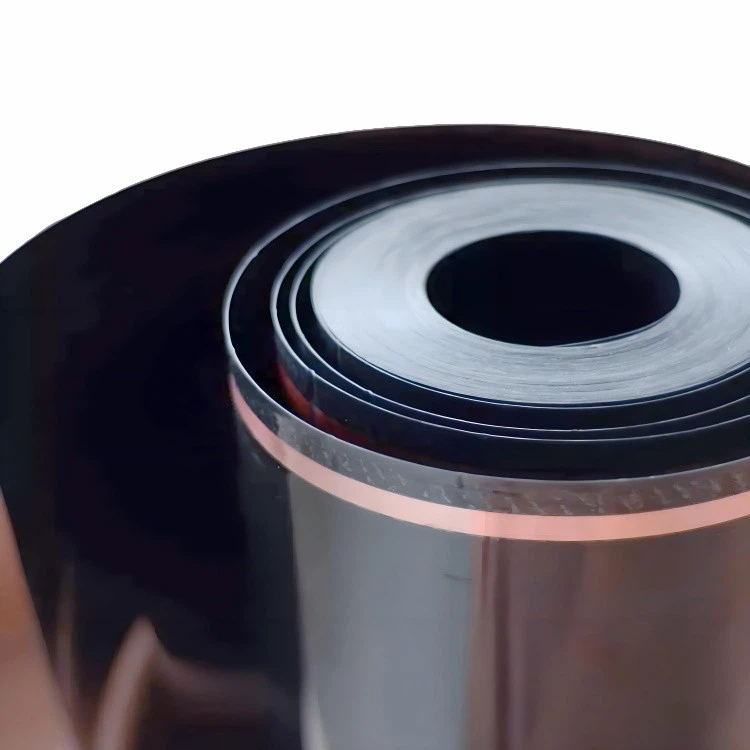

Over time, the mechanical properties of graphite film remain relatively constant. The film does not become brittle or lose its flexibility, which is important for applications where repeated bending or folding is required. However, it is important to note that excessive mechanical stress can cause damage to the film. For example, sharp creases or excessive stretching can lead to cracks in the film, which may affect its thermal and electrical properties.
Electrical Stability
In addition to its thermal properties, graphite film also has electrical conductivity. In some applications, such as in electromagnetic shielding or touch - screen technology, the electrical stability of graphite film is crucial.
Graphite film maintains its electrical conductivity over time. The delocalized electrons in the graphite lattice allow for efficient electron flow, and this property remains stable even after long - term use. However, like with mechanical stress, extreme environmental conditions or physical damage can affect the electrical conductivity of the film.
Impact of Environmental Factors
Environmental factors can have an impact on the stability of graphite film over time. Humidity is one such factor. While graphite film is generally resistant to moisture, prolonged exposure to high humidity levels can cause some degradation. Moisture can penetrate the film and cause oxidation in some cases, which may slightly reduce its thermal and electrical conductivity.
Temperature fluctuations can also affect the stability of graphite film. Rapid changes in temperature can cause thermal expansion and contraction, which may lead to internal stresses in the film. Over time, these stresses can cause micro - cracks or delamination, especially in multi - layer composite graphite films.
Comparison of Different Types of Graphite Films
There are different types of graphite films available in the market, each with its own stability characteristics. Graphite Thin Film is known for its thinness and high flexibility. It is often used in applications where space is limited. The thin film maintains its stability well over time, but it may be more susceptible to mechanical damage due to its thin structure.
Heat - Spreading Graphite Film is specifically designed for efficient heat dissipation. It has excellent thermal stability and can maintain its heat - spreading capabilities over a long period. This type of film is commonly used in high - power electronic devices, such as laptops and smartphones.
Multi - Layer Composite Graphite Film combines multiple layers of graphite to enhance its performance. The multi - layer structure provides better mechanical and thermal stability compared to single - layer films. However, it may be more complex to manufacture and may require more careful handling to ensure long - term stability.
Monitoring and Testing for Stability
To ensure the long - term stability of graphite film, it is important to conduct regular monitoring and testing. Thermal conductivity testing can be used to measure the heat - transfer capabilities of the film over time. Electrical conductivity testing can also be performed to check the electrical properties of the film.
Mechanical testing, such as bending and folding tests, can help to evaluate the mechanical stability of the film. Environmental testing, including exposure to different humidity and temperature conditions, can simulate real - world scenarios and assess the impact of environmental factors on the film's stability.
Conclusion
In conclusion, graphite film exhibits excellent stability characteristics over time. Its physical, chemical, thermal, mechanical, and electrical properties remain relatively constant under normal operating conditions. However, environmental factors such as humidity and temperature fluctuations can have an impact on its stability.
As a graphite film supplier, we are committed to providing high - quality products with long - term stability. Our products, including Graphite Thin Film, Heat - Spreading Graphite Film, and Multi - Layer Composite Graphite Film, are designed to meet the diverse needs of our customers.
If you are interested in purchasing graphite film for your specific applications, we invite you to contact us for further discussion. We can provide detailed information about our products, their stability characteristics, and how they can be tailored to your requirements.
References
- Smith, J. (2020). "Thermal Properties of Graphite Materials". Journal of Materials Science.
- Johnson, A. (2019). "Electrical Conductivity of Graphite Films". International Journal of Electrical Engineering.
- Brown, C. (2021). "Mechanical Stability of Flexible Graphite Films". Journal of Applied Mechanics.


