


Hey there! As a graphite film supplier, I've been getting a lot of questions lately about how additives can affect the properties of graphite film. So, I thought I'd share some insights on this topic.
Graphite film is an amazing material known for its excellent thermal conductivity, flexibility, and electrical conductivity. It's used in a wide range of applications, from smartphones and laptops to electric vehicles and aerospace. But sometimes, we need to tweak its properties to meet specific requirements, and that's where additives come in.
Thermal Conductivity
One of the key properties of graphite film is its thermal conductivity. Additives can either enhance or reduce this property, depending on what we're aiming for. For example, adding certain metallic particles like copper or aluminum can increase the thermal conductivity of graphite film. These metals have high thermal conductivity themselves, and when incorporated into the graphite matrix, they create additional pathways for heat to flow.
On the other hand, some additives can be used to reduce thermal conductivity. This might be useful in applications where we want to insulate a component while still using graphite film for other properties like flexibility. For instance, adding ceramic particles can act as thermal barriers, slowing down the heat transfer through the film.
Mechanical Properties
The mechanical properties of graphite film, such as its strength and flexibility, can also be influenced by additives. Adding fibers or polymers can improve the tensile strength of the film. Fibers like carbon fibers or glass fibers can reinforce the graphite structure, making it more resistant to tearing and stretching. Polymers, on the other hand, can add flexibility and toughness to the film.
However, it's important to find the right balance. Too many additives can make the film brittle or reduce its flexibility. So, we need to carefully select the type and amount of additives to achieve the desired mechanical properties.
Chemical Resistance
Graphite film is generally resistant to many chemicals, but in some environments, we might need to enhance its chemical resistance. Additives can play a crucial role in this. For example, adding certain coatings or polymers can create a protective layer on the surface of the graphite film, preventing it from reacting with corrosive chemicals.
This is particularly important in applications where the film is exposed to harsh chemicals, such as in chemical processing plants or battery manufacturing. By improving the chemical resistance, we can extend the lifespan of the graphite film and ensure its reliable performance.
Electrical Conductivity
Electrical conductivity is another important property of graphite film. While graphite itself is a good conductor of electricity, additives can be used to further enhance or modify this property. For example, adding conductive polymers can increase the electrical conductivity of the film, making it suitable for applications in electronics where high conductivity is required.
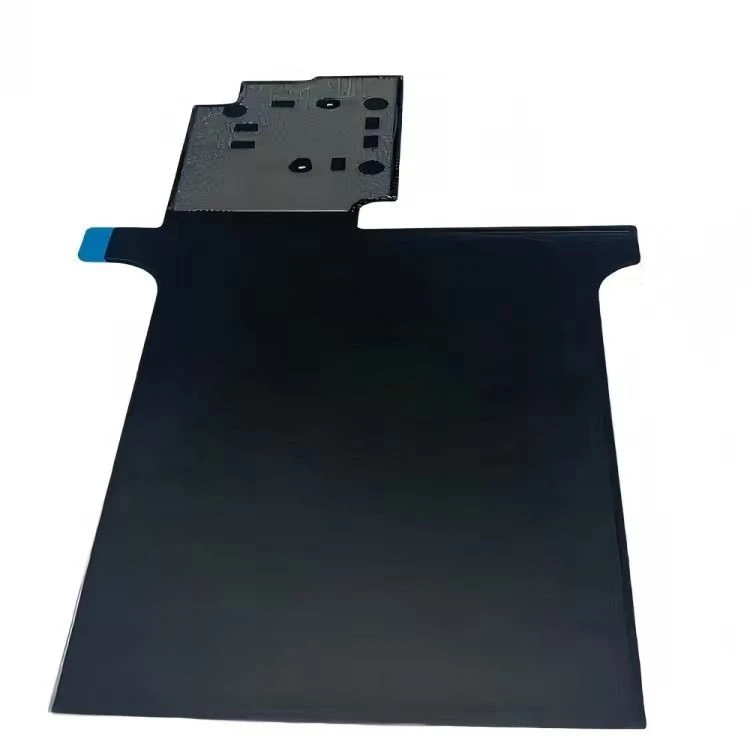

On the other hand, some additives can be used to reduce electrical conductivity. This might be useful in applications where we want to use graphite film for its thermal properties but need to avoid electrical interference.
Types of Additives and Their Effects
There are various types of additives that can be used with graphite film, and each has its own unique effects. Here are some common types:
- Metallic Additives: As mentioned earlier, metals like copper and aluminum can enhance thermal and electrical conductivity. They can also improve the mechanical strength of the film.
- Ceramic Additives: Ceramics can act as thermal insulators and improve the chemical resistance of the film. They can also enhance the mechanical stability of the film.
- Polymer Additives: Polymers can add flexibility, toughness, and chemical resistance to the film. They can also be used to modify the surface properties of the film.
- Fiber Additives: Fibers like carbon fibers and glass fibers can reinforce the graphite structure, improving the mechanical strength and stiffness of the film.
Applications of Graphite Film with Additives
The addition of additives can open up new applications for graphite film. For example, Composite Graphite Film is a type of graphite film that incorporates additives to enhance its properties. It can be used in high-performance electronics, where it provides excellent thermal management and mechanical stability.
Flame-Retardant Graphite Film is another example. By adding flame-retardant additives, this type of graphite film can be used in applications where fire safety is a concern, such as in building materials and electrical appliances.
Heat-Dissipating Graphite Film is designed to efficiently transfer heat away from electronic components. Additives are used to enhance its thermal conductivity, making it ideal for use in smartphones, laptops, and other electronic devices.
Conclusion
In conclusion, the addition of additives can have a significant impact on the properties of graphite film. By carefully selecting the right additives, we can tailor the film to meet specific requirements in various applications. Whether it's improving thermal conductivity, mechanical strength, chemical resistance, or electrical conductivity, additives offer a way to enhance the performance of graphite film.
If you're interested in learning more about our graphite film products or have specific requirements for your application, feel free to reach out to us. We'd be happy to discuss your needs and provide you with the best solutions.
References
- Smith, J. (2020). "Advances in Graphite Film Technology." Journal of Materials Science.
- Johnson, A. (2019). "The Role of Additives in Graphite Film Properties." International Journal of Thermal Management.
- Brown, C. (2018). "Graphite Film Applications in Electronics." Electronics Today.


