


Can graphite adhesive tape conduct electricity? That's a question I've been asked a bunch of times as a supplier of Graphite Adhesive Tape. And it's not just a random query; it's super important for folks in different industries. So, let's dig into this topic and find out the answer.
First off, let's understand what graphite is. Graphite is a form of carbon. It's got this unique structure where the carbon atoms are arranged in layers. These layers are held together by weak forces, which allows the atoms within the layers to move around pretty easily. This mobility of electrons is the key to understanding the electrical conductivity of graphite.
Now, let's talk about the graphite adhesive tape. This tape is made by combining graphite with an adhesive. The graphite part is what gives the tape its special properties. And yes, graphite adhesive tape can conduct electricity. The reason is that, as I mentioned earlier, the carbon atoms in graphite have free - moving electrons. When an electric potential is applied across the tape, these electrons can flow, creating an electric current.
But the conductivity of graphite adhesive tape isn't as straightforward as that of a pure metal wire. The conductivity can vary depending on a few factors. One of the main factors is the quality of the graphite used in the tape. High - quality graphite with a well - ordered atomic structure will generally conduct electricity better. If the graphite has a lot of impurities or a disordered structure, the flow of electrons can be disrupted, reducing the conductivity.
Another factor is the thickness of the tape. A thicker tape might have more graphite material, which could potentially allow for more electron flow and thus higher conductivity. However, if the adhesive in the tape is too thick or not properly formulated, it can act as an insulator and reduce the overall conductivity of the tape.
The temperature also plays a role. In general, the conductivity of graphite adhesive tape increases slightly with temperature. As the temperature rises, the electrons in the graphite gain more energy, which makes them move more freely. But this increase is not as significant as in some metals.
So, where is this electrically - conductive graphite adhesive tape used? Well, there are quite a few industries that benefit from its properties.
In the electronics industry, it's used for grounding and shielding. Grounding is important to prevent electrical charges from building up and causing damage to sensitive electronic components. The graphite adhesive tape can be used to connect different parts of a circuit to the ground, allowing the excess electrical charge to safely dissipate. Shielding is used to protect electronic devices from electromagnetic interference (EMI). The conductive tape can be wrapped around cables or components to block out unwanted electromagnetic waves. You can check out Sealing Graphite Tape for more information on tapes suitable for such applications.
The automotive industry also makes use of graphite adhesive tape. In electric vehicles, for example, there are a lot of electrical systems. The tape can be used to connect different electrical components, ensuring proper electrical conductivity. It can also be used in the battery management system to help with heat dissipation as well as electrical connection.
In the aerospace industry, where weight and performance are critical, graphite adhesive tape is a great option. It's lightweight compared to some traditional conductive materials, and its electrical conductivity can be tailored to meet specific requirements. It can be used in avionics systems for grounding and EMI shielding.
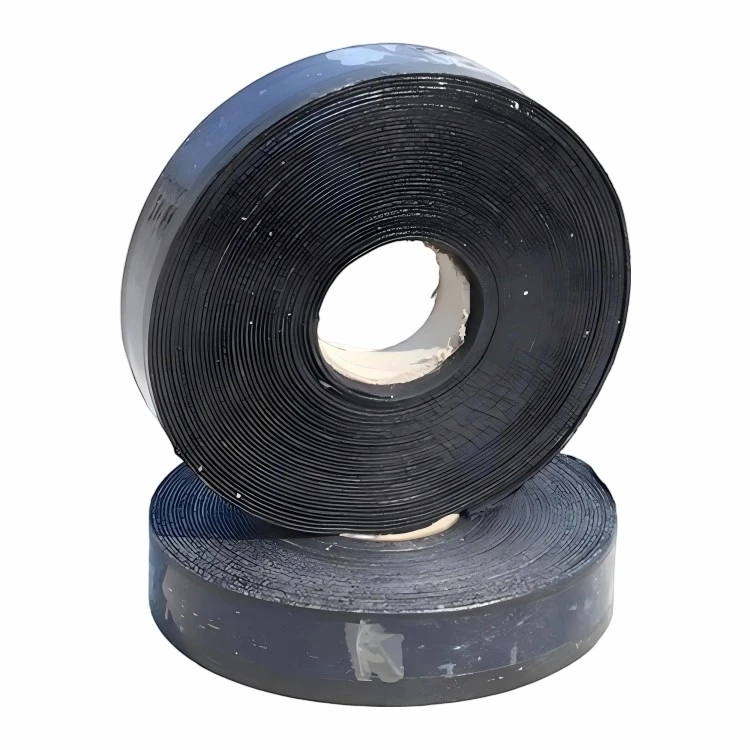

If you're involved in boiler systems, Graphite Tape For Boiler Sealing is another application. While the main purpose here is sealing, the electrical conductivity can also be useful in some cases, like for monitoring electrical properties in the boiler environment.
Flexible Graphite Strip is also a popular product. It offers flexibility along with good electrical conductivity. This makes it suitable for applications where the tape needs to be bent or wrapped around irregular shapes.
Now, if you're thinking about using graphite adhesive tape in your projects, you might be wondering how to choose the right one. You need to consider the conductivity requirements of your application. If you need high - conductivity tape, look for products made with high - quality graphite. Also, consider the environment in which the tape will be used. If it's a high - temperature environment, make sure the tape can withstand the heat without losing its conductivity.
If you have any questions about our graphite adhesive tapes or want to discuss your specific requirements, don't hesitate to reach out. We're here to help you find the best solution for your needs. Whether you're a small - scale electronics hobbyist or a large - scale industrial manufacturer, we can provide you with the right type of graphite adhesive tape.
In conclusion, graphite adhesive tape can indeed conduct electricity, and its conductivity is influenced by factors like graphite quality, tape thickness, and temperature. Its unique properties make it a valuable material in various industries, from electronics to automotive and aerospace. If you're in the market for graphite adhesive tape, we're here to assist you in finding the perfect product for your electrical conductivity needs.
References
- "The Physics of Carbon Materials" - A general textbook on the properties of carbon - based materials, including graphite.
- Industry reports on the use of conductive tapes in electronics and automotive applications.


