


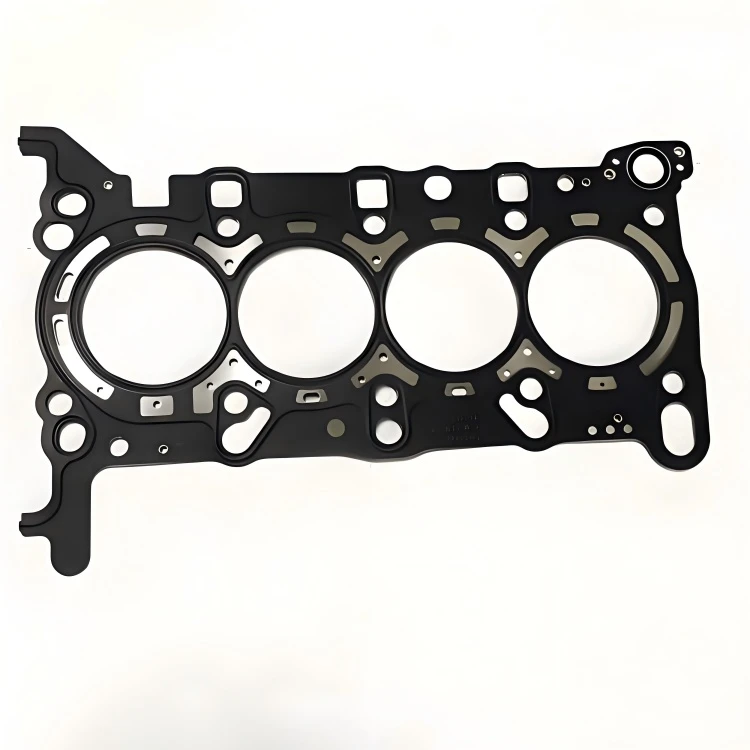
A metal cylinder gasket is a crucial component in an internal combustion engine, sealing the joint between the engine block and cylinder head to prevent the leakage of coolant, oil, and combustion gases. As a trusted Metal Cylinder Gasket supplier, we understand the importance of the correct installation process, which ensures the efficient operation and longevity of the engine. This blog will guide you through the installation process of a metal cylinder gasket, providing you with detailed steps and expert advice.
Pre - installation Preparation
Before beginning the installation of the metal cylinder gasket, it is essential to collect all the necessary tools and materials. You will need a socket wrench set, a torque wrench, a gasket scraper, a deburring tool, a feeler gauge, a surface grinder (if necessary), and the appropriate cleaning agents.
- Inspect the Engine Block and Cylinder Head: Carefully examine the engine block and cylinder head surfaces for any signs of damage, such as cracks, warping, or scoring. Even minor imperfections can lead to gasket failure. For a more accurate assessment, use a straight - edge and a feeler gauge to check for flatness. If the surfaces are warped beyond the manufacturer's specifications, you may need to have them machined or ground flat.
- Clean the Surfaces: Thoroughly clean the engine block and cylinder head mating surfaces using a gasket scraper to remove any old gasket material, carbon deposits, and debris. Then, use a cleaning agent recommended by the gasket manufacturer to degrease the surfaces. Ensure that all the bolt holes are also clean and free of debris. After cleaning, dry the surfaces completely to prevent any contaminants from affecting the gasket seal.
- Check the Gasket: Inspect the new metal cylinder gasket for any defects, such as tears, dents, or improper markings. Make sure it is the correct part for your engine. The gasket should have clear markings indicating its orientation, which is crucial for proper installation.
Installation Steps
Step 1: Positioning the Gasket
- Place the engine block on a stable workbench and ensure it is clean and dry. Take the metal cylinder gasket and carefully align it with the engine block. The gasket should fit precisely over the cylinder bores, coolant passages, and oil galleries. Pay close attention to the orientation markings on the gasket. Some gaskets are designed to be installed with a specific side facing up, so follow the manufacturer's instructions carefully.
Step 2: Installing the Cylinder Head
- Lift the cylinder head and carefully place it on top of the gasket. Make sure it is aligned correctly with the engine block. Insert the cylinder head bolts through the holes in the cylinder head and into the engine block. Do not fully tighten the bolts at this stage; just hand - tighten them to hold the cylinder head in place.
Step 3: Torquing the Cylinder Head Bolts
- Using a torque wrench, tighten the cylinder head bolts in the sequence specified by the engine manufacturer. This sequence is designed to ensure even pressure distribution across the gasket, preventing uneven compression and potential leaks. Start by tightening the bolts to a preliminary torque value, usually about one - third of the final torque. Then, go through the sequence again, tightening the bolts to about two - thirds of the final torque. Finally, make a third pass, tightening the bolts to the full specified torque.
- It is crucial to use a high - quality torque wrench and follow the torque specifications precisely. Over - tightening can damage the bolts, the cylinder head, or the engine block, while under - tightening can result in a poor seal and gasket failure.
Step 4: Reassembling the Engine
- Once the cylinder head bolts are properly torqued, you can proceed to reassemble the rest of the engine components. Reconnect the coolant hoses, oil lines, and any other components that were removed during the disassembly process. Make sure all connections are secure and leak - free.
Post - installation Checks
After installing the metal cylinder gasket, it is essential to perform a series of checks to ensure the engine is operating correctly.

- Coolant and Oil Checks: Check the coolant and oil levels in the engine. Top up the fluids if necessary. Start the engine and let it run for a few minutes, checking for any signs of coolant or oil leaks around the cylinder head area.
- Compression Test: Perform a compression test on each cylinder to ensure that the engine is producing the correct compression. A significant difference in compression between cylinders may indicate a problem with the gasket installation or other engine components.
- Exhaust Inspection: Inspect the exhaust for any signs of abnormal smoke or odor. White smoke may indicate a coolant leak into the combustion chamber, while blue smoke may suggest an oil leak.
Why Choose Our Metal Cylinder Gaskets
As a leading Metal Cylinder Gasket supplier, we offer high - quality gaskets that are designed to meet or exceed industry standards. Our gaskets are made from premium materials, ensuring excellent durability and sealing performance. We understand the importance of precision in engine components, and our manufacturing process adheres to strict quality control measures.
Whether you need an Engine Cylinder Gasket for a small - displacement engine or an Automotive Cylinder Gasket for a high - performance vehicle, we have the right product for you. Our Metal Cylinder Gaskets are available in a variety of sizes and configurations to fit different engine models.
If you are in the market for reliable metal cylinder gaskets, we invite you to contact us for procurement and further discussion. Our team of experts is ready to assist you in selecting the right gasket for your specific needs.
References
- "Automotive Engine Repair Manuals" by various automotive manufacturers.
- "Gasket Engineering Handbook" by industry - leading gasket manufacturers.


