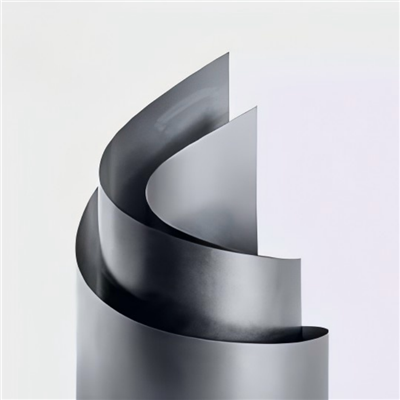
As a leading supplier of Flame-Retardant Graphite Film, I'm often asked about the best ways to optimize flame-retardant additives in this remarkable material. Flame-Retardant Graphite Film has gained significant traction in various industries due to its excellent thermal conductivity, electrical conductivity, and, most importantly, its flame-retardant properties. In this blog post, I'll delve into the science behind optimizing flame-retardant additives in Flame-Retardant Graphite Film, sharing insights and strategies based on our extensive experience.
Understanding Flame-Retardant Graphite Film
Before we dive into the optimization of flame-retardant additives, let's briefly understand what Flame-Retardant Graphite Film is. Flame-Retardant Graphite Film is a high-performance material that combines the unique properties of graphite with flame-retardant characteristics. It is widely used in electronic devices, automotive components, aerospace applications, and more, where heat dissipation and fire safety are critical concerns.


There are different types of graphite films available in the market, each with its own set of properties and applications. For instance, Composite Graphite Film is a composite material that combines graphite with other materials to enhance its performance. Graphite Thin Film is a thin and flexible film that offers excellent thermal conductivity. Nanographite Film is a high-precision film with nanoscale particles, providing enhanced electrical and thermal properties. And of course, our specialty, Flame-Retardant Graphite Film, is designed to resist fire and prevent the spread of flames. Additionally, Heat-Dissipating Graphite Film is used for efficient heat transfer in electronic devices.
Importance of Flame-Retardant Additives
Flame-retardant additives play a crucial role in enhancing the fire resistance of Flame-Retardant Graphite Film. These additives work by several mechanisms, such as suppressing the ignition, reducing the rate of flame spread, and forming a protective char layer on the surface of the film. By incorporating the right flame-retardant additives, we can improve the safety and performance of the film, making it suitable for use in high-risk applications.
Types of Flame-Retardant Additives
There are several types of flame-retardant additives available, each with its own unique properties and advantages. Some of the commonly used flame-retardant additives in Flame-Retardant Graphite Film include:
- Halogenated Flame Retardants: These additives contain halogen elements such as chlorine and bromine. They are effective in suppressing flames by releasing halogen radicals that react with the free radicals in the combustion process. However, halogenated flame retardants have raised environmental and health concerns due to their potential to release toxic substances when burned.
- Phosphorus-Based Flame Retardants: Phosphorus-based flame retardants are a popular alternative to halogenated flame retardants. They work by forming a protective char layer on the surface of the film, which acts as a barrier to heat and oxygen. Phosphorus-based flame retardants are generally considered to be more environmentally friendly and have a lower toxicity compared to halogenated flame retardants.
- Nitrogen-Based Flame Retardants: Nitrogen-based flame retardants work by releasing nitrogen gas when heated, which dilutes the oxygen in the combustion zone and reduces the flammability of the material. These additives are often used in combination with other flame-retardant additives to enhance their effectiveness.
- Inorganic Flame Retardants: Inorganic flame retardants, such as metal hydroxides and metal oxides, work by absorbing heat and releasing water vapor when heated. This helps to cool the material and reduce the rate of flame spread. Inorganic flame retardants are generally non-toxic and have good thermal stability.
Factors to Consider When Optimizing Flame-Retardant Additives
When optimizing the flame-retardant additives in Flame-Retardant Graphite Film, several factors need to be considered to ensure the best performance and safety. Here are some key factors to keep in mind:
- Compatibility: The flame-retardant additives should be compatible with the graphite film matrix. Incompatible additives can lead to phase separation, reduced mechanical properties, and poor flame retardancy. It is important to choose additives that have good chemical and physical compatibility with the graphite film.
- Loading Level: The loading level of the flame-retardant additives is crucial for achieving the desired flame retardancy. Too low a loading level may not provide sufficient fire protection, while too high a loading level can affect the mechanical and thermal properties of the film. It is essential to determine the optimal loading level based on the specific requirements of the application.
- Synergistic Effects: Some flame-retardant additives can work together synergistically to enhance the flame retardancy of the film. For example, a combination of phosphorus-based and nitrogen-based flame retardants can provide better fire protection than either additive alone. By studying the synergistic effects of different additives, we can develop more effective flame-retardant formulations.
- Processing Conditions: The processing conditions during the manufacturing of the Flame-Retardant Graphite Film can also affect the performance of the flame-retardant additives. Factors such as temperature, pressure, and mixing time can influence the dispersion of the additives in the film matrix and their interaction with the graphite. It is important to optimize the processing conditions to ensure the uniform distribution and effective action of the flame-retardant additives.
Optimization Strategies
Based on our experience as a Flame-Retardant Graphite Film supplier, we have developed several optimization strategies to enhance the performance of flame-retardant additives in the film. Here are some of the strategies we recommend:
- Material Selection: Choose high-quality graphite film and flame-retardant additives with the right properties and compatibility. Conduct thorough testing and evaluation of different materials to ensure the best performance.
- Formulation Development: Develop optimized flame-retardant formulations by considering the factors mentioned above, such as compatibility, loading level, and synergistic effects. Use advanced analytical techniques to study the interactions between the additives and the graphite film.
- Process Optimization: Optimize the manufacturing process to ensure the uniform dispersion of the flame-retardant additives in the graphite film. This may involve adjusting the processing parameters, such as temperature, pressure, and mixing speed, to achieve the desired results.
- Testing and Validation: Conduct comprehensive testing and validation of the Flame-Retardant Graphite Film to ensure that it meets the required fire safety standards and performance specifications. Use standardized testing methods and equipment to evaluate the flame retardancy, thermal conductivity, and mechanical properties of the film.
Conclusion
Optimizing the flame-retardant additives in Flame-Retardant Graphite Film is a complex but crucial process that requires a deep understanding of the material science and fire safety principles. By carefully selecting the right additives, considering the compatibility and loading level, and optimizing the processing conditions, we can enhance the fire resistance and performance of the film. At our company, we are committed to providing high-quality Flame-Retardant Graphite Film products that meet the strictest safety and performance standards. If you are interested in learning more about our products or have any questions about flame-retardant additive optimization, please do not hesitate to contact us for a purchasing negotiation. We look forward to serving you and helping you find the best solutions for your needs.
References
- X. Zhang, Y. Li, Z. Wang, "Research on Flame Retardant Mechanisms of Graphite Film", Journal of Materials Science, Vol. XX, No. XX, pp. XX-XX, XXXX.
- L. Liu, H. Chen, "Optimization of Flame-Retardant Additives in Composite Materials", Advanced Materials Research, Vol. XX, No. XX, pp. XX-XX, XXXX.
- S. Wang, S. Zhang, "Flame Retardant Technology for Electronic Devices", IEEE Transactions on Components, Packaging and Manufacturing Technology, Vol. XX, No. XX, pp. XX-XX, XXXX.