


Graphite film has become an essential material in various industries, especially in electronics, due to its excellent thermal conductivity, flexibility, and chemical stability. As a graphite film supplier, I often receive inquiries about how to install graphite film properly. In this blog, I'll share a comprehensive guide on the installation process of graphite film, covering different types such as Flame-Retardant Graphite Film, Heat-Spreading Graphite Film, and Multi-Layer Composite Graphite Film.
Understanding Graphite Film
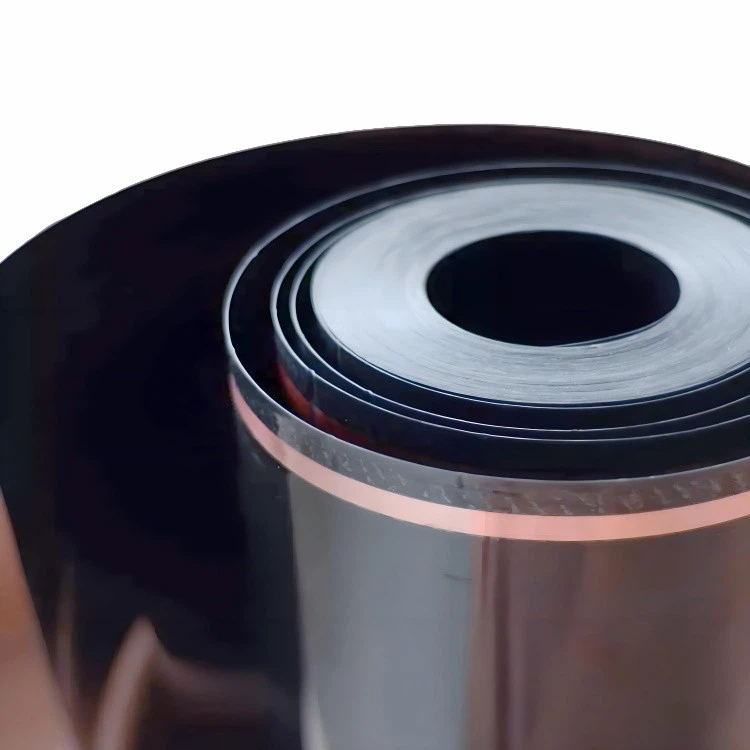
Before diving into the installation process, it's crucial to understand the characteristics of graphite film. Graphite film is a highly crystalline carbon material that can efficiently transfer heat in two dimensions. It is available in different thicknesses, sizes, and forms, depending on the specific application requirements. Flame-retardant graphite film is designed to resist combustion, making it suitable for applications where fire safety is a concern. Heat-spreading graphite film is optimized to quickly dissipate heat across a surface, which is ideal for electronic devices to prevent overheating. Multi-layer composite graphite film combines multiple layers of graphite to enhance its mechanical properties and thermal performance.

Tools and Materials Required
- Graphite Film: Select the appropriate type and size of graphite film based on your application. Ensure that the film meets the required specifications, such as thermal conductivity, thickness, and surface finish.
- Cleaning Supplies: Isopropyl alcohol and lint-free wipes are essential for cleaning the surface where the graphite film will be installed. This helps to remove any dirt, dust, or grease that could affect the adhesion of the film.
- Cutting Tools: A sharp utility knife or scissors can be used to cut the graphite film to the desired size and shape. Make sure the cutting edges are clean and sharp to avoid fraying the film.
- Adhesive: Depending on the application, you may need an adhesive to secure the graphite film in place. Some graphite films come with a pre - applied adhesive layer, while others require a separate adhesive. Choose an adhesive that is compatible with the graphite film and the surface material.
- Tweezers or Forceps: These tools can be used to handle the graphite film during installation, especially when dealing with small or delicate pieces.
Surface Preparation
- Inspect the Surface: Carefully examine the surface where the graphite film will be installed. Check for any scratches, dents, or unevenness that could affect the performance of the film. If necessary, repair or smooth the surface before proceeding.
- Clean the Surface: Dampen a lint - free wipe with isopropyl alcohol and gently clean the surface. Wipe the surface in one direction to ensure thorough cleaning. Allow the surface to dry completely before installing the graphite film.
Cutting the Graphite Film
- Measure and Mark: Use a ruler or measuring tape to measure the dimensions of the area where the graphite film will be installed. Mark the film with a pencil or a fine - tip marker, taking into account any cutouts or irregular shapes.
- Cut the Film: Place the graphite film on a flat, hard surface. Use a sharp utility knife or scissors to cut along the marked lines. Make slow, steady cuts to ensure clean edges. If the film is thick or has a multi - layer structure, you may need to make multiple passes with the cutting tool.
Installation Process
- Peel the Adhesive Backing (if applicable): If the graphite film has a pre - applied adhesive backing, carefully peel off a small corner of the backing. Hold the film by the non - adhesive side to avoid getting fingerprints on the adhesive surface.
- Position the Film: Align the graphite film with the marked area on the surface. Use tweezers or forceps to handle the film and ensure accurate positioning. Start from one corner and slowly lay the film down on the surface, pressing gently to remove any air bubbles.
- Smooth Out the Film: Once the film is in place, use a flat object, such as a credit card or a squeegee, to smooth out the film from the center towards the edges. This helps to ensure good contact between the film and the surface and removes any remaining air bubbles.
- Trim Excess Film: After the film is fully installed, use a sharp utility knife to trim any excess film around the edges. Make sure the edges are clean and flush with the surface.
Special Considerations for Different Applications
Electronic Devices
- When installing graphite film in electronic devices, pay special attention to the electrical insulation properties of the film. Some graphite films are conductive, so ensure that the film is properly insulated from any electrical components to prevent short - circuits.
- Avoid stretching or bending the graphite film too much, as this can damage the film and affect its thermal performance.
Industrial Applications
- In industrial applications where the graphite film is exposed to high temperatures or harsh environments, choose a graphite film with high - temperature resistance and chemical stability.
- Consider using additional protective layers or coatings to enhance the durability of the graphite film.
Quality Control
After the installation is complete, conduct a visual inspection of the graphite film. Check for any air bubbles, wrinkles, or gaps between the film and the surface. If any issues are found, carefully lift the film and re - position it, ensuring proper adhesion and alignment. Measure the thermal performance of the installed graphite film using appropriate testing equipment to verify that it meets the expected specifications.
Maintenance and Care
- Avoid exposing the installed graphite film to sharp objects or abrasive materials that could damage the film.
- If the film needs to be cleaned, use a mild cleaning solution and a soft cloth to gently wipe the surface. Do not use abrasive cleaners or scrubbers.
- Periodically check the adhesion of the graphite film to ensure that it remains securely in place. If the adhesion starts to weaken, take appropriate measures to re - secure the film.
Conclusion
Installing graphite film correctly is crucial to ensure its optimal performance in various applications. By following the steps outlined in this guide, you can successfully install graphite film and take advantage of its excellent thermal conductivity and other properties. As a graphite film supplier, we are committed to providing high - quality products and technical support to our customers. If you have any questions about graphite film selection, installation, or application, please feel free to contact us for further assistance. We look forward to discussing your specific needs and helping you find the best graphite film solution for your project.
References
- "Graphite Film: Properties, Applications, and Manufacturing" - Journal of Advanced Materials
- "Thermal Management in Electronic Devices Using Graphite Film" - International Journal of Thermal Sciences
- Manufacturer's technical data sheets for graphite film products.


