


As a supplier of ultra-thin graphite paper, I've seen firsthand the ever-increasing demand for high-performance thermal management solutions in various industries. Ultra-thin graphite paper has emerged as a go-to material for its excellent thermal conductivity and flexibility, making it ideal for applications where space is limited and heat dissipation is critical. In this blog post, I'll share some insights on how to improve the heat dissipation efficiency of ultra-thin graphite paper, based on our experience in the field.

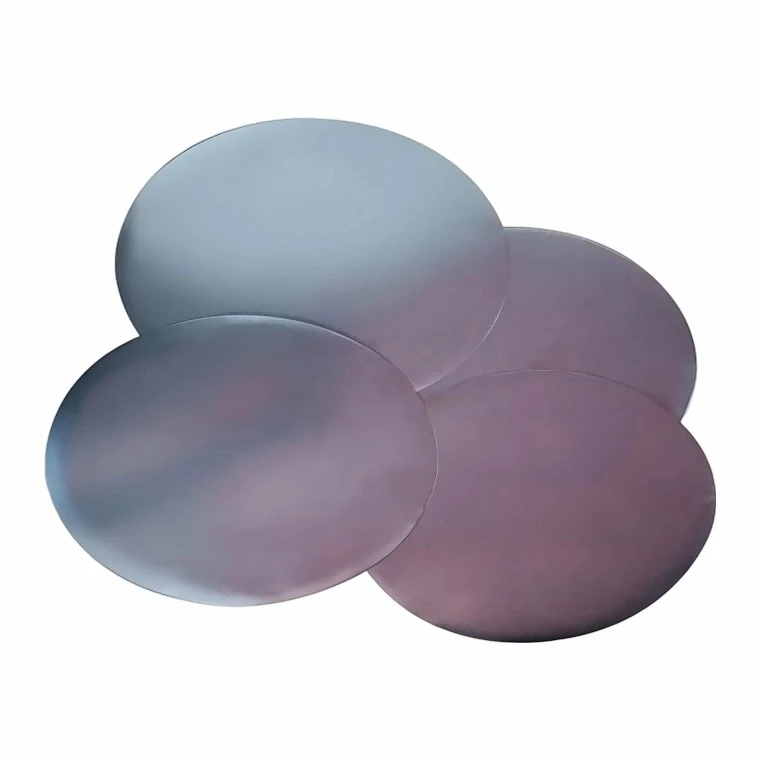
Understanding the Basics of Ultra-Thin Graphite Paper
Before delving into ways to improve heat dissipation efficiency, it's important to understand what makes ultra-thin graphite paper such an effective thermal management material. Graphite is a form of carbon with a unique crystal structure that allows it to conduct heat in two dimensions. This property, known as anisotropic thermal conductivity, means that graphite can transfer heat more efficiently along its plane than through its thickness.
Ultra-thin graphite paper is typically produced by exfoliating graphite flakes and then compressing them into a thin sheet. The resulting paper has a high degree of orientation, which further enhances its in-plane thermal conductivity. Depending on the manufacturing process and quality of the graphite used, the Ultra - Thin Graphite Paper Thermal Conductivity can range from several hundred to over a thousand watts per meter-kelvin (W/m·K), which is significantly higher than most metals and ceramics.
Improving Heat Dissipation Efficiency
1. Surface Treatment
One of the most effective ways to improve the heat dissipation efficiency of ultra-thin graphite paper is through surface treatment. By modifying the surface of the graphite paper, we can enhance its ability to transfer heat to the surrounding environment. There are several techniques that can be used for surface treatment, including:
- Micro - structuring: Creating micro - scale patterns on the surface of the graphite paper can increase its surface area, which in turn improves the heat transfer rate. Micro - structuring can be achieved through processes such as laser etching or chemical etching.
- Coating: Applying a thin layer of a high - emissivity material on the surface of the graphite paper can enhance its radiative heat transfer. Ceramics and metal oxides are commonly used for this purpose. The coating should be carefully selected to ensure that it does not significantly reduce the thermal conductivity of the graphite paper.
2. Proper Installation and Attachment
The way ultra-thin graphite paper is installed and attached to the heat source can also have a significant impact on its heat dissipation efficiency. Here are some key considerations:
- Contact Area: Maximizing the contact area between the graphite paper and the heat source is crucial. This can be achieved by ensuring that the graphite paper is flat and free of wrinkles or air gaps. Using a thermal interface material (TIM) between the graphite paper and the heat source can also improve the contact and reduce thermal resistance.
- Attachment Method: The choice of attachment method depends on the application. For some applications, adhesive tapes can be used to secure the graphite paper to the heat source. However, it's important to choose an adhesive that has good thermal conductivity and does not degrade over time. In other cases, mechanical fasteners or clips may be more appropriate.
3. Optimizing the Design
The overall design of the system where the ultra-thin graphite paper is used can also affect its heat dissipation efficiency. Consider the following design optimization strategies:
- Heat Path Design: Designing a clear and direct heat path from the heat source to the graphite paper and then to the heat sink or the surrounding environment is essential. Avoiding unnecessary obstacles or bends in the heat path can reduce thermal resistance and improve heat transfer.
- Stacking and Layering: In some applications, multiple layers of ultra-thin graphite paper can be stacked to increase the overall heat dissipation capacity. However, it's important to ensure that the layers are properly aligned and that there is good thermal contact between them.
4. Matching with Other Thermal Components
Ultra-thin graphite paper can be used in conjunction with other thermal management components, such as heat sinks, fans, and heat pipes. Matching the graphite paper with these components appropriately can significantly improve the overall heat dissipation efficiency of the system.
- Heat Sinks: Coupling ultra-thin graphite paper with a heat sink can increase the heat transfer area and enhance the convective heat transfer. The graphite paper can be used to spread the heat evenly across the surface of the heat sink, improving its performance.
- Fans and Heat Pipes: In systems with high - power heat sources, fans and heat pipes can be used in combination with ultra-thin graphite paper to provide active cooling. The graphite paper can help to transfer the heat from the heat source to the heat pipes, which then transport the heat to the heat sink where it can be dissipated by the fan.
Applications of Ultra-Thin Graphite Paper
Ultra-thin graphite paper has a wide range of applications in various industries due to its excellent thermal management properties. Here are some of the common applications:
- Consumer Electronics: In smartphones, tablets, laptops, and other consumer electronics devices, ultra-thin graphite paper is used to dissipate the heat generated by the CPU, GPU, and other components. The Ultra-Thin Graphite Paper For LCD Monitor can also be used to improve the thermal performance of LCD monitors, reducing the risk of color distortion and image burn - in.
- Automotive Electronics: With the increasing use of electronic components in vehicles, such as infotainment systems, advanced driver - assistance systems (ADAS), and electric vehicle batteries, ultra-thin graphite paper is becoming an important thermal management material. The Ultra - Thin Graphite Paper for Electronics can help to keep these components cool and reliable under high - temperature operating conditions.
- LED Lighting: In LED lighting applications, ultra-thin graphite paper can be used to dissipate the heat generated by the LEDs, improving their efficiency and lifespan. By transferring the heat away from the LEDs, the graphite paper can prevent overheating and color shifting.
Conclusion
Improving the heat dissipation efficiency of ultra-thin graphite paper is crucial for its effective use in various thermal management applications. By understanding the properties of graphite paper and implementing the strategies discussed in this blog post, such as surface treatment, proper installation, design optimization, and matching with other thermal components, we can maximize its performance and ensure reliable operation of the systems it is used in.
If you are interested in learning more about our ultra-thin graphite paper products or would like to discuss your specific thermal management needs, please feel free to contact us for a detailed consultation and procurement discussion. We are committed to providing high - quality products and professional solutions to meet your requirements.
References
- Incropera, F. P., & DeWitt, D. P. (2001). Fundamentals of Heat and Mass Transfer. John Wiley & Sons.
- Kaviany, M. (1995). Principles of Convective Heat Transfer. Springer.


