


As a supplier of ultra-thin graphite paper, I've witnessed firsthand the remarkable properties and widespread applications of this innovative material. Ultra-thin graphite paper is renowned for its excellent thermal conductivity, flexibility, and electrical conductivity, making it a popular choice in various industries, including electronics, aerospace, and automotive. However, like any material, ultra-thin graphite paper ages over time, and understanding how this aging process occurs is crucial for ensuring its long-term performance and reliability.

Initial Properties of Ultra-Thin Graphite Paper
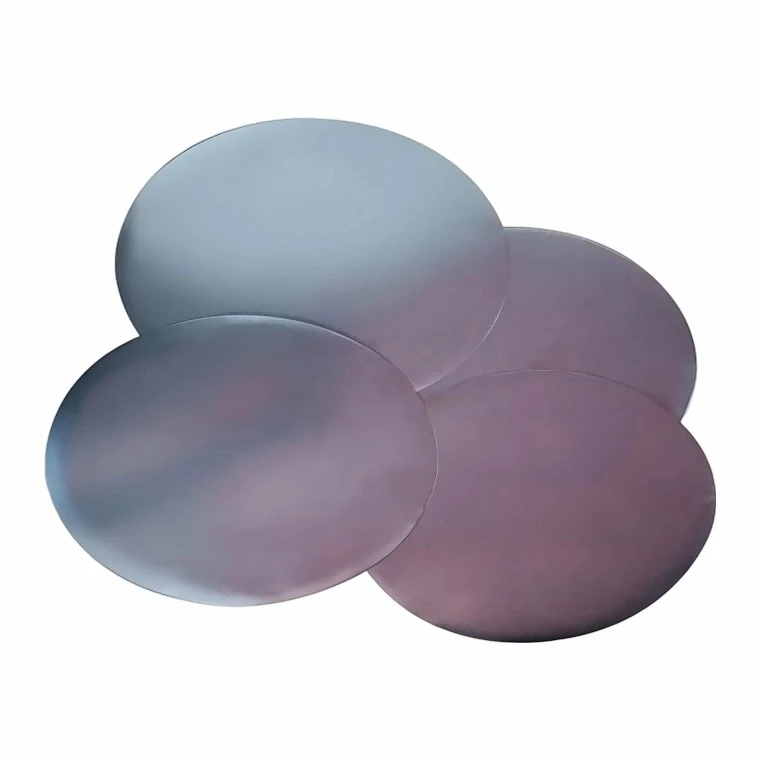
Before delving into the aging process, it's essential to understand the initial properties of ultra-thin graphite paper. Ultra-thin graphite paper is typically made from high-quality graphite flakes that are exfoliated and compressed into a thin, flexible sheet. This process results in a material with a high degree of crystallinity, which gives it excellent thermal and electrical conductivity.
The thermal conductivity of ultra-thin graphite paper is one of its most notable properties. Ultra - Thin Graphite Paper Thermal Conductivity can reach up to 1500 W/mK in the in-plane direction, making it an ideal material for heat dissipation applications. In addition to its high thermal conductivity, ultra-thin graphite paper is also lightweight, flexible, and resistant to chemical corrosion, making it suitable for use in a wide range of environments.
Factors Affecting the Aging of Ultra-Thin Graphite Paper
Several factors can affect the aging process of ultra-thin graphite paper, including temperature, humidity, mechanical stress, and exposure to chemicals. Understanding these factors is essential for predicting how ultra-thin graphite paper will age over time and for developing strategies to mitigate the effects of aging.
Temperature
Temperature is one of the most significant factors affecting the aging of ultra-thin graphite paper. High temperatures can cause the graphite structure to degrade, leading to a decrease in thermal and electrical conductivity. At elevated temperatures, the carbon atoms in the graphite lattice can become more mobile, causing the lattice to expand and become less ordered. This can result in a decrease in the material's mechanical strength and an increase in its electrical resistance.
Humidity
Humidity can also have a significant impact on the aging of ultra-thin graphite paper. Moisture can penetrate the graphite structure, causing it to oxidize and degrade over time. Oxidation can lead to the formation of carbon dioxide and water, which can further weaken the graphite structure and reduce its thermal and electrical conductivity. In addition, humidity can also cause the graphite paper to absorb water, which can increase its weight and reduce its flexibility.
Mechanical Stress
Mechanical stress can also accelerate the aging process of ultra-thin graphite paper. Repeated bending, folding, or stretching can cause the graphite structure to crack and delaminate, leading to a decrease in its mechanical strength and thermal conductivity. In addition, mechanical stress can also cause the graphite paper to absorb energy, which can lead to the formation of defects and cracks in the material.
Chemical Exposure
Exposure to chemicals can also have a detrimental effect on the aging of ultra-thin graphite paper. Certain chemicals, such as acids and bases, can react with the graphite structure, causing it to corrode and degrade over time. Chemical corrosion can lead to the formation of pits and holes in the graphite paper, which can reduce its mechanical strength and thermal conductivity.
Aging Mechanisms of Ultra-Thin Graphite Paper
The aging of ultra-thin graphite paper is a complex process that involves several mechanisms, including oxidation, thermal degradation, and mechanical fatigue. Understanding these mechanisms is essential for predicting how ultra-thin graphite paper will age over time and for developing strategies to mitigate the effects of aging.
Oxidation
Oxidation is one of the most common aging mechanisms of ultra-thin graphite paper. When exposed to oxygen, the carbon atoms in the graphite lattice can react with oxygen molecules to form carbon dioxide and water. This process can cause the graphite structure to degrade, leading to a decrease in its thermal and electrical conductivity. Oxidation can be accelerated by high temperatures, humidity, and exposure to certain chemicals.
Thermal Degradation
Thermal degradation is another important aging mechanism of ultra-thin graphite paper. At high temperatures, the carbon atoms in the graphite lattice can become more mobile, causing the lattice to expand and become less ordered. This can result in a decrease in the material's mechanical strength and an increase in its electrical resistance. Thermal degradation can be accelerated by prolonged exposure to high temperatures and by the presence of impurities in the graphite paper.
Mechanical Fatigue
Mechanical fatigue is a common aging mechanism of ultra-thin graphite paper that occurs when the material is subjected to repeated bending, folding, or stretching. Over time, the repeated application of mechanical stress can cause the graphite structure to crack and delaminate, leading to a decrease in its mechanical strength and thermal conductivity. Mechanical fatigue can be accelerated by high levels of stress, low cycle times, and the presence of defects in the graphite paper.
Effects of Aging on the Properties of Ultra-Thin Graphite Paper
The aging of ultra-thin graphite paper can have a significant impact on its properties, including its thermal conductivity, electrical conductivity, mechanical strength, and flexibility. Understanding these effects is essential for predicting how ultra-thin graphite paper will perform over time and for developing strategies to mitigate the effects of aging.
Thermal Conductivity
The thermal conductivity of ultra-thin graphite paper can decrease over time due to aging. Oxidation, thermal degradation, and mechanical fatigue can all cause the graphite structure to degrade, leading to a decrease in its thermal conductivity. A decrease in thermal conductivity can reduce the effectiveness of ultra-thin graphite paper in heat dissipation applications, which can lead to overheating and reduced performance of electronic devices.
Electrical Conductivity
The electrical conductivity of ultra-thin graphite paper can also decrease over time due to aging. Oxidation, thermal degradation, and mechanical fatigue can all cause the graphite structure to degrade, leading to an increase in its electrical resistance. An increase in electrical resistance can reduce the effectiveness of ultra-thin graphite paper in electrical applications, which can lead to power losses and reduced performance of electronic devices.
Mechanical Strength
The mechanical strength of ultra-thin graphite paper can decrease over time due to aging. Oxidation, thermal degradation, and mechanical fatigue can all cause the graphite structure to crack and delaminate, leading to a decrease in its mechanical strength. A decrease in mechanical strength can make ultra-thin graphite paper more susceptible to damage and failure, which can reduce its reliability and lifespan.
Flexibility
The flexibility of ultra-thin graphite paper can also decrease over time due to aging. Oxidation, thermal degradation, and mechanical fatigue can all cause the graphite structure to become more brittle, leading to a decrease in its flexibility. A decrease in flexibility can make ultra-thin graphite paper more difficult to handle and install, which can increase the cost and complexity of manufacturing processes.
Strategies for Mitigating the Effects of Aging
To mitigate the effects of aging on ultra-thin graphite paper, several strategies can be employed, including proper storage, handling, and application. These strategies can help to extend the lifespan of ultra-thin graphite paper and ensure its long-term performance and reliability.
Proper Storage
Proper storage is essential for minimizing the effects of aging on ultra-thin graphite paper. Ultra-thin graphite paper should be stored in a cool, dry place away from direct sunlight and moisture. Exposure to high temperatures and humidity can accelerate the aging process, so it's important to store ultra-thin graphite paper in a controlled environment.
Proper Handling
Proper handling is also important for minimizing the effects of aging on ultra-thin graphite paper. Ultra-thin graphite paper should be handled with care to avoid bending, folding, or stretching, which can cause the graphite structure to crack and delaminate. In addition, ultra-thin graphite paper should be protected from sharp objects and abrasive surfaces, which can damage the material.
Proper Application
Proper application is crucial for ensuring the long-term performance and reliability of ultra-thin graphite paper. Ultra-thin graphite paper should be applied according to the manufacturer's instructions to ensure proper adhesion and thermal contact. In addition, ultra-thin graphite paper should be protected from exposure to chemicals and mechanical stress, which can accelerate the aging process.
Applications of Ultra-Thin Graphite Paper Despite Aging
Despite the effects of aging, ultra-thin graphite paper remains a valuable material for a wide range of applications. Its excellent thermal conductivity, flexibility, and electrical conductivity make it an ideal choice for heat dissipation, electromagnetic shielding, and electrical insulation applications. Ultra - Thin Graphite Paper for Electronics is widely used in smartphones, laptops, and other electronic devices to dissipate heat and improve performance. Ultra-Thin Graphite Paper For LCD Monitor is also used in LCD monitors to reduce heat buildup and improve image quality.
Conclusion
In conclusion, ultra-thin graphite paper is a remarkable material with excellent thermal conductivity, flexibility, and electrical conductivity. However, like any material, it ages over time, and understanding how this aging process occurs is crucial for ensuring its long-term performance and reliability. By understanding the factors affecting the aging of ultra-thin graphite paper, the aging mechanisms involved, and the effects of aging on its properties, we can develop strategies to mitigate the effects of aging and extend the lifespan of this valuable material.
If you are interested in learning more about our ultra-thin graphite paper or discussing potential applications, please feel free to contact us for procurement and further discussions. We are committed to providing high-quality products and excellent customer service.
References
- Dresselhaus, M. S., Dresselhaus, G., & Avouris, P. (2001). Carbon Nanotubes: Advanced Topics in the Synthesis, Structure, Properties and Applications. Springer.
- Li, C., & Kaner, R. B. (2008). Graphene: The New Two-Dimensional Nanomaterial. Accounts of Chemical Research, 41(1), 221-229.
- Niyogi, S., Bekyarova, E., & Itkis, M. E. (2006). Chemistry of Single-Walled Carbon Nanotubes. Accounts of Chemical Research, 39(10), 701-710.


