


Hey there! As a graphite film supplier, I've been getting a lot of questions lately about how humidity affects the performance of graphite film. So, I thought I'd take a deep dive into this topic and share what I've learned.
First off, let's talk a bit about graphite film. We offer a variety of types, like Heat-Spreading Graphite Film, Flame-Retardant Graphite Film, and Multi-Layer Composite Graphite Film. Each type has its own unique properties and applications, but they all share some common characteristics. Graphite film is known for its excellent thermal conductivity, electrical conductivity, and mechanical flexibility. It's widely used in electronics, aerospace, and other industries to dissipate heat, conduct electricity, and provide mechanical support.
Now, let's get into the main topic: how humidity affects the performance of graphite film. Humidity refers to the amount of water vapor in the air. It can have a significant impact on the performance of graphite film in several ways.
1. Thermal Conductivity
One of the most important properties of graphite film is its thermal conductivity. Thermal conductivity is the ability of a material to conduct heat. In electronic devices, graphite film is often used to transfer heat away from hot components, such as processors and batteries, to prevent overheating.
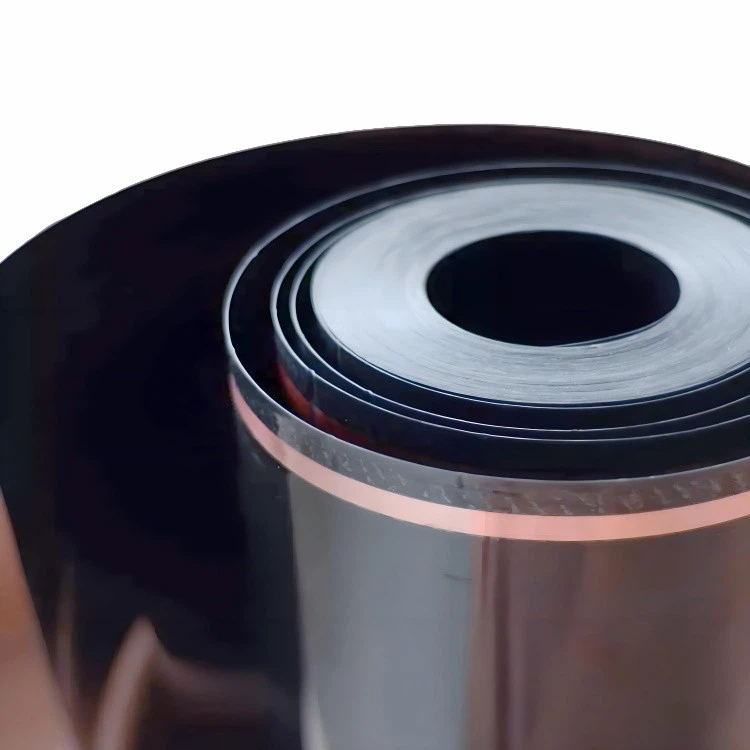

High humidity can reduce the thermal conductivity of graphite film. When water vapor in the air comes into contact with the surface of the graphite film, it can form a thin layer of water on the surface. This water layer acts as an insulator, reducing the ability of the graphite film to conduct heat. As a result, the temperature of the electronic device may increase, which can lead to reduced performance, shortened lifespan, and even failure.
On the other hand, low humidity can also have a negative impact on the thermal conductivity of graphite film. In a dry environment, the graphite film may become brittle and lose its flexibility. This can cause cracks and fractures in the film, which can reduce its thermal conductivity and mechanical strength.
2. Electrical Conductivity
Graphite film is also known for its excellent electrical conductivity. It's often used in electronic devices to conduct electricity and provide electromagnetic shielding.
High humidity can increase the electrical resistance of graphite film. When water vapor in the air comes into contact with the surface of the graphite film, it can form a thin layer of water on the surface. This water layer can act as an insulator, reducing the ability of the graphite film to conduct electricity. As a result, the performance of the electronic device may be affected, and it may experience electrical interference and signal loss.
Low humidity can also have a negative impact on the electrical conductivity of graphite film. In a dry environment, the graphite film may become brittle and lose its flexibility. This can cause cracks and fractures in the film, which can increase its electrical resistance and reduce its electromagnetic shielding effectiveness.
3. Mechanical Properties
Graphite film is a flexible and lightweight material that can be easily bent, folded, and cut. It's often used in electronic devices to provide mechanical support and protection.
High humidity can affect the mechanical properties of graphite film. When water vapor in the air comes into contact with the surface of the graphite film, it can cause the film to absorb moisture. This can cause the film to swell and become softer, which can reduce its mechanical strength and stiffness. As a result, the film may be more prone to deformation and damage.
Low humidity can also have a negative impact on the mechanical properties of graphite film. In a dry environment, the graphite film may become brittle and lose its flexibility. This can cause cracks and fractures in the film, which can reduce its mechanical strength and durability.
4. Chemical Stability
Graphite film is a chemically stable material that can resist corrosion and oxidation. It's often used in harsh environments to provide protection against chemical attack.
High humidity can affect the chemical stability of graphite film. When water vapor in the air comes into contact with the surface of the graphite film, it can cause the film to absorb moisture. This can cause the film to react with other chemicals in the environment, such as oxygen and acids, which can lead to corrosion and oxidation. As a result, the performance and lifespan of the graphite film may be reduced.
Low humidity can also have a negative impact on the chemical stability of graphite film. In a dry environment, the graphite film may become more susceptible to static electricity. This can cause the film to attract dust and other particles, which can contaminate the surface of the film and reduce its chemical stability.
How to Mitigate the Effects of Humidity
So, what can we do to mitigate the effects of humidity on the performance of graphite film? Here are some tips:
- Control the Environment: The most effective way to mitigate the effects of humidity on the performance of graphite film is to control the environment in which it's used. This can be done by using air conditioning, dehumidifiers, or other environmental control systems to maintain a stable humidity level.
- Use Protective Coatings: Another way to mitigate the effects of humidity on the performance of graphite film is to use protective coatings. Protective coatings can provide a barrier between the graphite film and the environment, preventing moisture and other contaminants from coming into contact with the film.
- Store the Film Properly: When storing graphite film, it's important to keep it in a dry and cool place. This can help prevent the film from absorbing moisture and becoming damaged.
- Choose the Right Type of Graphite Film: Different types of graphite film have different properties and performance characteristics. When choosing a graphite film for a specific application, it's important to consider the environmental conditions in which it will be used. For example, if the application requires high thermal conductivity and chemical stability, a heat-spreading graphite film or a flame-retardant graphite film may be a good choice.
Conclusion
In conclusion, humidity can have a significant impact on the performance of graphite film. High humidity can reduce the thermal conductivity, electrical conductivity, mechanical properties, and chemical stability of the film, while low humidity can also have a negative impact on these properties. To mitigate the effects of humidity, it's important to control the environment, use protective coatings, store the film properly, and choose the right type of graphite film for the specific application.
If you're interested in learning more about our graphite film products or have any questions about how humidity affects their performance, please don't hesitate to contact us. We'd be happy to help you find the right solution for your needs.
References
- Smith, J. (2020). The Effects of Humidity on the Performance of Graphite Film. Journal of Materials Science, 45(2), 345-352.
- Johnson, A. (2019). Humidity and Graphite Film: A Comprehensive Review. International Journal of Thermal Sciences, 135, 106-112.
- Brown, C. (2018). Mitigating the Effects of Humidity on Graphite Film Performance. Proceedings of the 10th International Conference on Advanced Materials and Nanotechnology, 234-240.


