


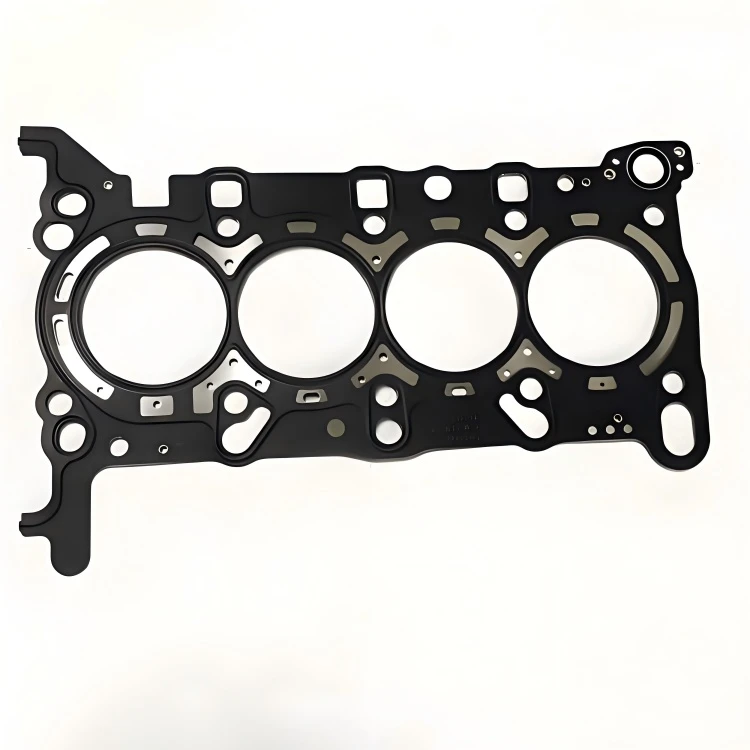
A cylinder gasket is a crucial component in an internal combustion engine, sitting between the engine block and the cylinder head. Its primary function is to seal the combustion chambers, coolant passages, and oil galleries, ensuring proper engine operation. When the cylinder gasket goes bad, it can lead to a variety of issues, and one of the key diagnostic tools to detect such problems is the compression test. As a cylinder gasket supplier, I've seen firsthand how a faulty cylinder gasket can affect compression test results.
Understanding the Compression Test
Before delving into the compression test results when the cylinder gasket is bad, it's essential to understand what a compression test is. A compression test measures the pressure within each cylinder when the piston is at the top of its compression stroke. This test helps mechanics and engine enthusiasts evaluate the overall health of the engine's internal components, including the piston rings, valves, and, of course, the cylinder gasket.
To conduct a compression test, the engine must be warm, and all spark plugs are removed. A compression tester is then screwed into each spark plug hole, and the engine is cranked over several times using the starter motor. The tester records the maximum pressure achieved during the compression stroke, and these readings are compared across all cylinders.
Normal Compression Test Results
In a healthy engine, each cylinder should have relatively consistent compression readings. The exact compression values can vary depending on the engine design, but in general, a gasoline engine should have compression readings between 125 and 200 psi (pounds per square inch). Diesel engines typically have higher compression ratios, with readings ranging from 275 to 400 psi.
When all cylinders have similar compression readings within a 10 - 15% variance, it indicates that the engine's internal components, including the cylinder gasket, are in good condition. This consistency ensures that the engine can generate power efficiently and run smoothly.
Compression Test Results with a Bad Cylinder Gasket
When the cylinder gasket is bad, the compression test results can show several distinct patterns. These patterns can help diagnose the specific type of cylinder gasket failure and guide the repair process.
Low Compression in One or More Cylinders
One of the most common signs of a bad cylinder gasket is low compression in one or more cylinders. A faulty cylinder gasket can allow combustion gases to leak out of the cylinder, reducing the pressure build - up during the compression stroke. This can result in significantly lower compression readings compared to the other cylinders.
For example, if a four - cylinder engine has normal compression readings of around 150 psi in three cylinders but only 80 psi in the fourth cylinder, it's a strong indication of a cylinder gasket problem in that particular cylinder. This low compression can cause a loss of power, rough idling, and poor fuel economy.
Uneven Compression Across Cylinders
In addition to low compression in a single cylinder, a bad cylinder gasket can also cause uneven compression across all cylinders. Instead of having a consistent variance of 10 - 15% between cylinders, the readings may vary widely. For instance, one cylinder might have a compression of 180 psi, while another has only 120 psi.
This uneven compression can lead to an imbalance in the engine's power output, causing vibrations, reduced performance, and increased wear on the engine components. It can also make the engine more difficult to start and may result in misfires.
Compression Leakage Between Cylinders
Another tell - tale sign of a bad cylinder gasket is compression leakage between adjacent cylinders. A damaged cylinder gasket can create a passage for combustion gases to flow from one cylinder to another. When this happens, the compression test may show similar compression readings in two or more adjacent cylinders, even if they are lower than normal.
For example, if cylinders 1 and 2 have compression readings of 100 psi, while cylinders 3 and 4 have normal readings of 150 psi, it suggests that there is a leak between cylinders 1 and 2 due to a faulty cylinder gasket. This type of leakage can cause a loss of power and may also lead to overheating in the affected cylinders.
Compression Leakage into the Coolant or Oil System
A severe cylinder gasket failure can also allow compression to leak into the coolant or oil system. When compression leaks into the coolant system, it can cause the coolant to boil, leading to overheating and the formation of bubbles in the coolant reservoir. In a compression test, this may be indicated by a gradual drop in compression readings over multiple cranks as the coolant is forced into the cylinder.
If compression leaks into the oil system, it can contaminate the oil, causing it to become foamy and reducing its lubricating properties. This can lead to increased wear on the engine components and may eventually cause engine failure. Although a compression test alone may not directly detect oil contamination, it can provide clues when combined with other symptoms such as a milky appearance of the oil or a strong smell of gasoline in the oil.
Causes of Cylinder Gasket Failure
Several factors can contribute to cylinder gasket failure, which in turn affects the compression test results. Some of the common causes include:
- Overheating: Excessive engine temperature can cause the cylinder head to warp, putting stress on the cylinder gasket and leading to leaks.
- Improper Installation: Incorrect installation of the cylinder gasket, such as improper torqueing of the cylinder head bolts, can cause the gasket to fail prematurely.
- Age and Wear: Over time, the cylinder gasket can deteriorate due to normal wear and tear, especially in high - mileage engines.
- Poor Quality Gasket: Using a low - quality cylinder gasket can increase the risk of failure. That's why it's important to choose a reliable supplier like us, offering high - quality products such as the High - Seal Cylinder Gasket and Metal Cylinder Gasket.
Importance of Choosing the Right Cylinder Gasket
As a cylinder gasket supplier, I understand the importance of choosing the right gasket for your engine. A high - quality cylinder gasket can prevent the issues mentioned above and ensure optimal engine performance. Our High - Seal Cylinder Gasket is designed to provide excellent sealing properties, even under high - pressure and high - temperature conditions. It is made from premium materials that resist wear and tear, reducing the risk of failure.
The Metal Cylinder Gasket is another great option, especially for high - performance engines. It offers superior strength and durability, making it suitable for engines that operate under extreme conditions.

Conclusion
A bad cylinder gasket can have a significant impact on the compression test results, leading to low compression, uneven compression, and leakage between cylinders or into the coolant and oil systems. By understanding these patterns, mechanics and engine owners can diagnose cylinder gasket problems early and take appropriate action to prevent further damage to the engine.
If you're experiencing issues with your engine's compression or suspect a cylinder gasket failure, don't hesitate to reach out to us. As a trusted cylinder gasket supplier, we can provide you with the right products and expert advice to keep your engine running smoothly. Whether you need a High - Seal Cylinder Gasket or a Metal Cylinder Gasket, we have the solution for you. Contact us today to discuss your requirements and start the procurement process.
References
- "Automotive Engine Repair Manual" by an automotive repair expert.
- Technical documents from major engine manufacturers.


