


Hey there! As a graphite tape supplier, I've had my fair share of experiences when it comes to storing this versatile product. Graphite tape is super useful in a bunch of industries, from electronics to automotive, thanks to its excellent thermal conductivity, electrical conductivity, and chemical resistance. But to keep it in tip - top shape, proper storage is key. So, let's dig into what's the best way to store graphite tape.
Understanding the Basics of Graphite Tape
Before we get into storage, it's good to have a bit of an idea about what graphite tape is. There are different types, like Graphite Adhesive Tape, Self - Adhesive Graphite Tape, and Flexible Graphite Strip. Each type has its own characteristics, but they all share some common properties that affect how we should store them.
Graphite tape is made from graphite, which is a form of carbon. It's a relatively stable material, but it can still be affected by external factors. For example, moisture can reduce its electrical conductivity and cause it to lose its adhesive properties if it's an adhesive tape. Physical damage, like scratches or tears, can also render the tape less effective.
Temperature and Humidity Control
One of the most important factors in storing graphite tape is controlling the temperature and humidity of the storage environment. Graphite tape should be stored in a cool, dry place. A temperature range of around 20 - 25 degrees Celsius (68 - 77 degrees Fahrenheit) is ideal. Extreme temperatures can cause the tape to expand or contract, which might lead to delamination or changes in its physical properties.
High humidity is a big no - no. Moisture can seep into the tape, especially if it's stored in a damp area. This can cause the graphite to oxidize over time, reducing its conductivity. If you're using adhesive graphite tape, moisture can also weaken the adhesive, making it less sticky. So, aim for a relative humidity of around 40 - 50%. You can use a dehumidifier in the storage area if the humidity levels are too high.
Protection from Light
Another thing to consider is protection from light. Prolonged exposure to direct sunlight or strong artificial light can cause the tape to degrade. Ultraviolet (UV) rays in sunlight can break down the chemical bonds in the tape, especially in the adhesive layer. This can lead to a loss of adhesion and a change in the tape's color.
Store the graphite tape in opaque containers or in a storage area that's not exposed to direct light. If you have to use a transparent container, make sure it has UV - blocking properties. This simple step can significantly extend the lifespan of your graphite tape.
Avoiding Physical Damage
Graphite tape is quite flexible, but it can still be damaged if not handled properly. When storing it, make sure it's not folded or bent in an unnatural way. Folding can cause creases, which might lead to breaks in the graphite layer. If the tape is rolled, keep it in its original roll shape and avoid applying too much pressure on it.
Also, be careful when stacking other items on top of the graphite tape. Heavy objects can crush the tape and cause physical damage. If you're storing multiple rolls of tape, stack them in a stable way, with enough space between each roll to prevent them from rubbing against each other.
Packaging
The packaging of the graphite tape also plays a crucial role in its storage. Most graphite tape comes in a protective wrapper or container when you buy it. Keep the tape in its original packaging as much as possible. The packaging is designed to protect the tape from external factors like dust, moisture, and light.
If the original packaging is damaged, consider using a plastic bag or a sealed container to store the tape. Make sure the container is clean and dry before putting the tape in it. You can also add a desiccant packet to the container to absorb any moisture that might get in.
Inventory Management
Proper inventory management is important for ensuring the quality of your graphite tape. Keep track of the expiration dates if the tape has them. Use the first - in, first - out (FIFO) method when using the tape. This means using the oldest stock first to avoid having tape that's been sitting in storage for too long.
Regularly inspect your inventory to check for any signs of damage or degradation. Look for changes in color, texture, or adhesion. If you notice any issues, it's best to use that tape as soon as possible or dispose of it properly.
Separation from Chemicals
Graphite tape should be stored away from chemicals. Some chemicals can react with the graphite, especially strong acids or alkalis. These reactions can change the properties of the tape and make it ineffective. For example, if the tape is exposed to a strong acid, it might corrode the graphite layer, reducing its conductivity.
Make sure the storage area is free from chemical fumes. If you have a chemical storage area nearby, keep the graphite tape in a separate room or at a safe distance. This will prevent any accidental exposure to harmful chemicals.
Labeling
Labeling your graphite tape is a simple but important step. Clearly label the containers or packages with the type of tape, the date of purchase, and any other relevant information. This will help you keep track of your inventory and ensure that you're using the tape correctly.
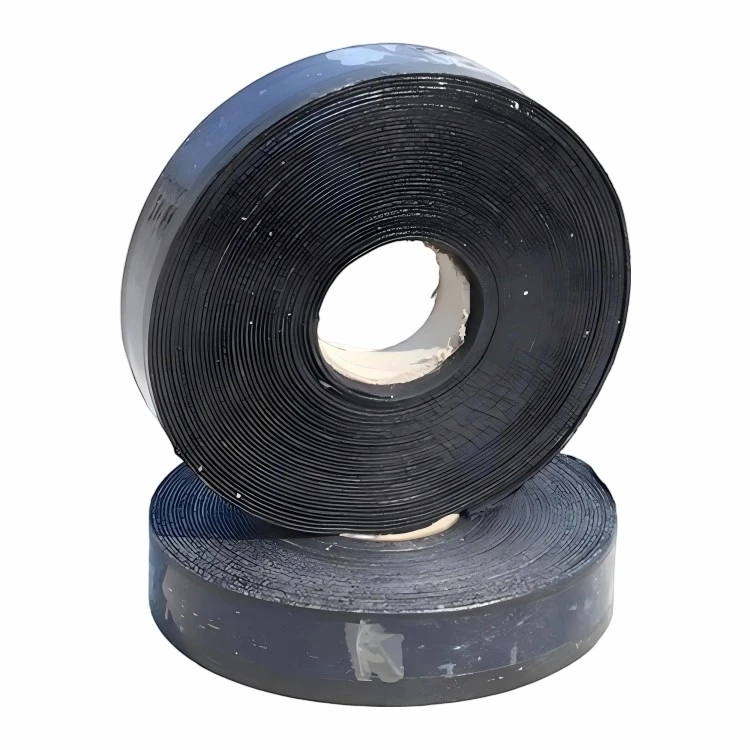

If you have different types of graphite tape, like adhesive and non - adhesive, label them separately. This will prevent any confusion when you're looking for a specific type of tape.
Long - Term Storage
If you need to store graphite tape for a long time, you might want to take some extra precautions. Consider vacuum - sealing the tape in a plastic bag. This will remove any air and moisture from the bag, providing an extra layer of protection.
You can also store the vacuum - sealed tape in a freezer if you have the space. Freezing can significantly slow down the degradation process. However, make sure to let the tape reach room temperature before using it to avoid condensation.
Conclusion
In conclusion, the best way to store graphite tape is to create a controlled environment that protects it from temperature and humidity fluctuations, light, physical damage, chemicals, and other external factors. By following these guidelines, you can ensure that your graphite tape remains in good condition and retains its properties for as long as possible.
If you're in the market for high - quality graphite tape, we've got you covered. Whether you need Graphite Adhesive Tape, Self - Adhesive Graphite Tape, or Flexible Graphite Strip, we offer a wide range of products to meet your needs. Contact us to discuss your requirements and start a procurement process. We're here to help you get the best graphite tape for your applications.
References
- "Graphite Materials: Properties and Applications" - A general reference on graphite and its properties.
- "Storage Guidelines for Electronic Components" - This provides some insights on storing materials with similar properties to graphite tape.


