


Graphite, a naturally occurring form of crystalline carbon, has long been recognized for its unique properties and versatile applications. High-purity graphite, in particular, stands out due to its exceptional chemical characteristics that make it highly sought after in various industries. As a leading supplier of high-purity graphite, I am excited to delve into the chemical properties of this remarkable material and explore its significance in modern technology.
Chemical Composition and Structure
High-purity graphite is primarily composed of carbon atoms arranged in a hexagonal lattice structure. This structure gives graphite its characteristic layered appearance, with each layer consisting of carbon atoms bonded together in a planar hexagonal pattern. The layers are held together by weak van der Waals forces, allowing them to slide over one another easily. This property is responsible for graphite's lubricating qualities and its ability to be used as a solid lubricant in various applications.
The purity of high-purity graphite is typically defined by the percentage of carbon it contains. In general, high-purity graphite has a carbon content of at least 99.9%, with some grades reaching up to 99.999%. The remaining impurities are usually trace elements such as silicon, iron, aluminum, and sulfur, which are present in very low concentrations. The high carbon content and low impurity levels contribute to the excellent chemical stability and electrical conductivity of high-purity graphite.
Chemical Stability
One of the most notable chemical properties of high-purity graphite is its exceptional chemical stability. Graphite is highly resistant to chemical attack by most acids, alkalis, and organic solvents, making it suitable for use in harsh chemical environments. This stability is due to the strong covalent bonds between the carbon atoms in the graphite lattice, which are difficult to break under normal conditions.
In addition to its resistance to chemical attack, high-purity graphite also exhibits excellent thermal stability. It can withstand high temperatures without undergoing significant chemical changes or decomposition. This property makes it ideal for use in high-temperature applications such as furnace linings, crucibles, and electrodes.
Electrical Conductivity
Another important chemical property of high-purity graphite is its excellent electrical conductivity. Graphite is a good conductor of electricity due to the presence of delocalized electrons in its structure. These electrons are free to move throughout the graphite lattice, allowing for the efficient flow of electric current.
The electrical conductivity of high-purity graphite is highly dependent on its crystal structure and purity. Graphite with a well-ordered crystal structure and low impurity levels generally has higher electrical conductivity than graphite with a disordered structure or high impurity levels. The electrical conductivity of high-purity graphite can be further enhanced by doping it with certain elements such as boron or nitrogen.
Oxidation Resistance
High-purity graphite also exhibits good oxidation resistance, especially at high temperatures. When exposed to oxygen at elevated temperatures, graphite will gradually oxidize to form carbon dioxide. However, the oxidation rate of high-purity graphite is relatively slow compared to other forms of carbon, such as coal or charcoal.
The oxidation resistance of high-purity graphite can be improved by coating it with a protective layer of ceramic or metal oxide. This coating acts as a barrier to prevent oxygen from reaching the graphite surface, thereby reducing the oxidation rate. In addition, the use of high-purity graphite in an inert atmosphere can also help to minimize oxidation.
Reactivity with Metals
High-purity graphite can react with certain metals under specific conditions. For example, graphite can react with molten metals such as iron, copper, and aluminum to form metal carbides. These reactions can occur at high temperatures and in the presence of a catalyst.
The reactivity of high-purity graphite with metals can be both advantageous and disadvantageous, depending on the application. In some cases, the formation of metal carbides can improve the mechanical properties of the metal-graphite composite. However, in other cases, the reaction can lead to the degradation of the graphite and the formation of unwanted by-products.

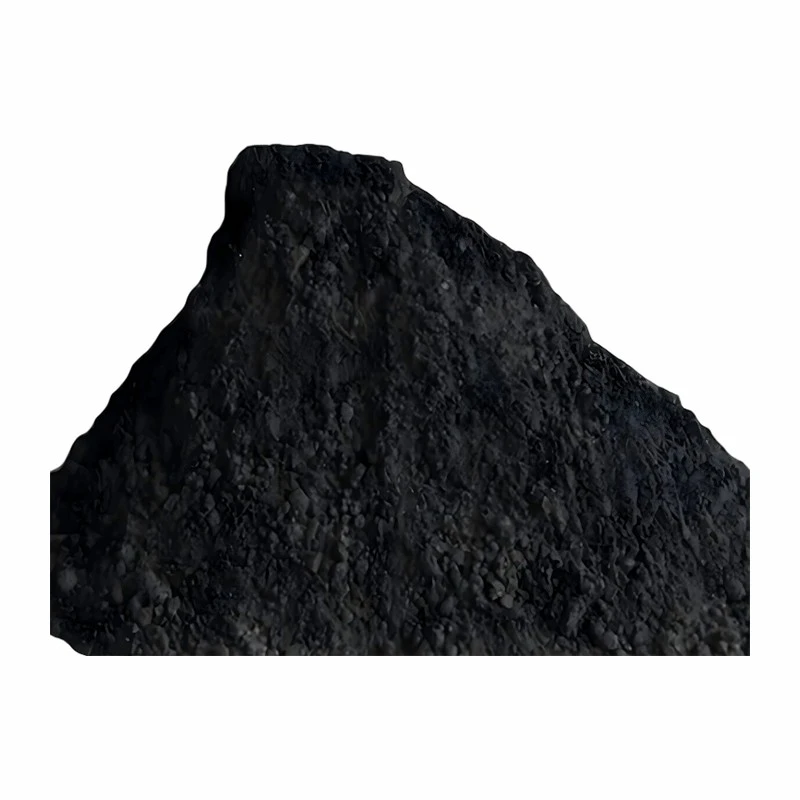
Applications of High-Purity Graphite
The unique chemical properties of high-purity graphite make it suitable for a wide range of applications in various industries. Some of the most common applications of high-purity graphite include:
- Semiconductor Industry: High-purity graphite is used in the semiconductor industry for the production of crucibles, susceptors, and electrodes. Its high chemical stability, electrical conductivity, and thermal stability make it ideal for use in the high-temperature and high-vacuum environments required for semiconductor manufacturing. High-Purity Graphite for Semiconductors
- Electrical Industry: High-purity graphite is used in the electrical industry for the production of electrodes, brushes, and other electrical components. Its excellent electrical conductivity and mechanical properties make it suitable for use in high-power electrical applications.
- Metallurgical Industry: High-purity graphite is used in the metallurgical industry for the production of crucibles, ladles, and other refractory materials. Its high temperature resistance and chemical stability make it ideal for use in the melting and casting of metals.
- Aerospace Industry: High-purity graphite is used in the aerospace industry for the production of heat shields, brakes, and other components. Its high strength, low weight, and excellent thermal properties make it suitable for use in high-performance aerospace applications.
- Chemical Industry: High-purity graphite is used in the chemical industry for the production of reactors, heat exchangers, and other chemical processing equipment. Its chemical stability and corrosion resistance make it ideal for use in the handling of corrosive chemicals.
Conclusion
In conclusion, high-purity graphite is a remarkable material with unique chemical properties that make it highly valuable in various industries. Its exceptional chemical stability, electrical conductivity, thermal stability, oxidation resistance, and reactivity with metals make it suitable for a wide range of applications, from semiconductor manufacturing to aerospace engineering.
As a leading supplier of high-purity graphite, we are committed to providing our customers with the highest quality products and services. Our high-purity graphite products are carefully manufactured to meet the strictest quality standards, ensuring consistent performance and reliability. If you are interested in learning more about our high-purity graphite products or would like to discuss your specific requirements, please do not hesitate to contact us. We look forward to working with you to meet your high-purity graphite needs.
References
- "Graphite: Structure, Properties, and Applications" by John B. Goodenough and Yoshio Ozawa
- "High-Purity Graphite: Production, Properties, and Applications" by R. K. Eckel and R. F. Savino
- "Carbon Materials for Advanced Technologies" edited by M. S. Dresselhaus, G. Dresselhaus, and A. Jorio


