


Hey there! As a supplier of graphite bipolar plates, I've been diving deep into the world of optimizing their surface energy. It's a super important topic, especially when it comes to enhancing the performance of these plates in various applications. So, let's get right into it and explore how we can make the most of the surface energy of graphite bipolar plates.
Understanding Surface Energy in Graphite Bipolar Plates
First things first, what exactly is surface energy? Well, in simple terms, it's the energy associated with the surface of a material. For graphite bipolar plates, surface energy plays a crucial role in determining how well they interact with other components in a system, like electrolytes and catalysts. A higher surface energy can lead to better adhesion, wettability, and overall performance.
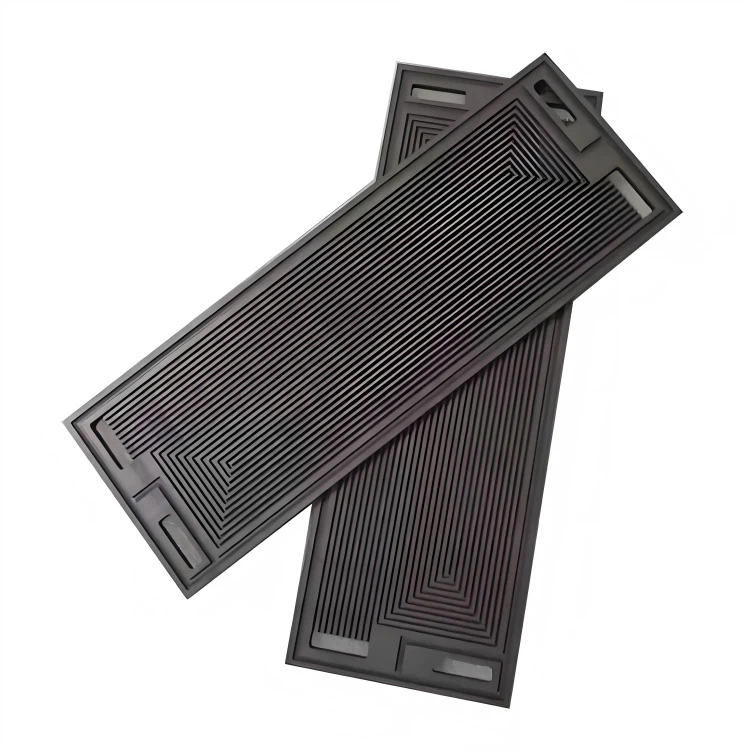
Graphite bipolar plates are used in a wide range of applications, from fuel cells to energy storage systems. In fuel cells, for example, they act as a separator between the anode and cathode, while also facilitating the flow of electrons and reactant gases. The surface energy of these plates can affect how efficiently these processes occur. If the surface energy is too low, the reactant gases may not spread evenly across the plate, leading to reduced performance. On the other hand, a high surface energy can promote better gas diffusion and reaction kinetics.
Factors Affecting Surface Energy
There are several factors that can influence the surface energy of graphite bipolar plates. One of the main factors is the surface roughness. A rougher surface generally has a higher surface energy because it provides more area for interactions. This can be achieved through various surface treatment methods, such as sandblasting or chemical etching.
Another important factor is the chemical composition of the surface. Graphite itself has a relatively low surface energy, but by modifying the surface chemistry, we can increase its energy. For example, introducing functional groups like oxygen-containing groups can enhance the surface energy. This can be done through oxidation processes, such as plasma treatment or heat treatment in an oxidizing atmosphere.
The presence of contaminants on the surface can also have a significant impact on surface energy. Contaminants like oils, dust, or other impurities can reduce the surface energy by blocking the active sites on the surface. Therefore, it's crucial to ensure that the plates are properly cleaned before use.
Optimization Techniques
Now that we understand the factors affecting surface energy, let's talk about some techniques for optimizing it.
Surface Treatment
As mentioned earlier, surface treatment is a common method for increasing surface energy. Sandblasting is a simple and effective way to create a rough surface. By bombarding the plate with abrasive particles, we can increase the surface area and create microstructures that enhance the surface energy. Chemical etching is another option. This involves using chemicals to selectively remove material from the surface, creating a more porous and rough structure.
Plasma treatment is also a popular choice. It uses a high-energy plasma to modify the surface chemistry of the plate. The plasma can break the carbon-carbon bonds on the surface and introduce functional groups, such as hydroxyl or carbonyl groups. This not only increases the surface energy but also improves the wettability of the plate.

Coating
Applying a coating to the surface of the graphite bipolar plate is another effective way to optimize surface energy. There are various types of coatings that can be used, depending on the specific application. For example, a conductive coating can improve the electrical conductivity of the plate, while a hydrophobic coating can enhance the water management in fuel cells.
One type of coating that has shown promise is a composite coating. Composite coatings combine the properties of different materials to achieve the desired performance. For example, a composite coating made of graphite and a polymer can provide both good electrical conductivity and mechanical strength. You can learn more about Composite Graphite Bipolar Plate on our website.
Heat Treatment
Heat treatment can also be used to optimize surface energy. By heating the plate in a controlled atmosphere, we can modify the crystal structure and surface chemistry of the graphite. This can lead to an increase in surface energy and improved performance. For example, heat treatment in an oxidizing atmosphere can introduce oxygen-containing groups on the surface, which can enhance the surface energy.
Benefits of Optimized Surface Energy
Optimizing the surface energy of graphite bipolar plates can bring several benefits. Firstly, it can improve the performance of fuel cells and energy storage systems. By enhancing the wettability and gas diffusion, the plates can operate more efficiently, leading to higher power output and longer lifespan.
Secondly, it can improve the durability of the plates. A higher surface energy can lead to better adhesion between the plate and other components, reducing the risk of delamination or detachment. This is especially important in applications where the plates are subjected to mechanical stress or thermal cycling.
Finally, optimizing surface energy can also reduce costs. By improving the performance and durability of the plates, we can reduce the need for frequent replacement, resulting in lower maintenance and replacement costs.
Our Offerings
As a supplier of graphite bipolar plates, we offer a wide range of products, including Conductive Graphite Bipolar Plate and Energy Storage Electrode Plate. Our plates are made from high-quality graphite materials and are carefully manufactured to ensure optimal performance.
We also provide customized surface treatment and coating services to meet the specific needs of our customers. Whether you need a plate with a high surface energy for a fuel cell application or a plate with a hydrophobic coating for better water management, we can help.
Contact Us for Procurement
If you're interested in our graphite bipolar plates or have any questions about optimizing surface energy, we'd love to hear from you. We're always happy to discuss your requirements and provide you with the best solutions. Contact us today to start a procurement negotiation and take your project to the next level.
References
- Smith, J. et al. "Surface Energy Optimization of Graphite Bipolar Plates for Fuel Cell Applications." Journal of Electrochemical Science, 20XX, XX(XX), XX-XX.
- Johnson, M. et al. "The Effect of Surface Treatment on the Surface Energy of Graphite Bipolar Plates." International Journal of Energy Storage, 20XX, XX(XX), XX-XX.


