


As a supplier of Metal Cylinder Gaskets, I understand the critical role that proper installation plays in ensuring the optimal performance and longevity of these essential components. A well-installed metal cylinder gasket can prevent leaks, maintain compression, and contribute to the overall efficiency of an engine. In this blog post, I will share some key steps and considerations to ensure the proper installation of a metal cylinder gasket.
1. Preparation of the Engine Block and Cylinder Head
Before installing a new metal cylinder gasket, it is crucial to thoroughly clean the engine block and cylinder head surfaces. Any dirt, debris, or old gasket material left on these surfaces can prevent the gasket from sealing properly. Use a suitable gasket scraper to remove the old gasket material carefully. Be cautious not to scratch or damage the mating surfaces, as even minor imperfections can lead to leaks.
After scraping, clean the surfaces with a degreaser and a lint-free cloth. Ensure that all oil, coolant, and other contaminants are removed. A clean surface is essential for the gasket to form a tight seal. Inspect the engine block and cylinder head for any signs of damage, such as cracks or warping. If any damage is detected, it should be repaired or replaced before proceeding with the installation.
2. Inspection of the Metal Cylinder Gasket
Inspect the new metal cylinder gasket carefully before installation. Check for any signs of damage, such as tears, dents, or rust. A damaged gasket will not provide a proper seal and should be replaced. Ensure that the gasket is the correct size and type for your engine. Refer to the manufacturer's specifications or consult with a professional if you are unsure.

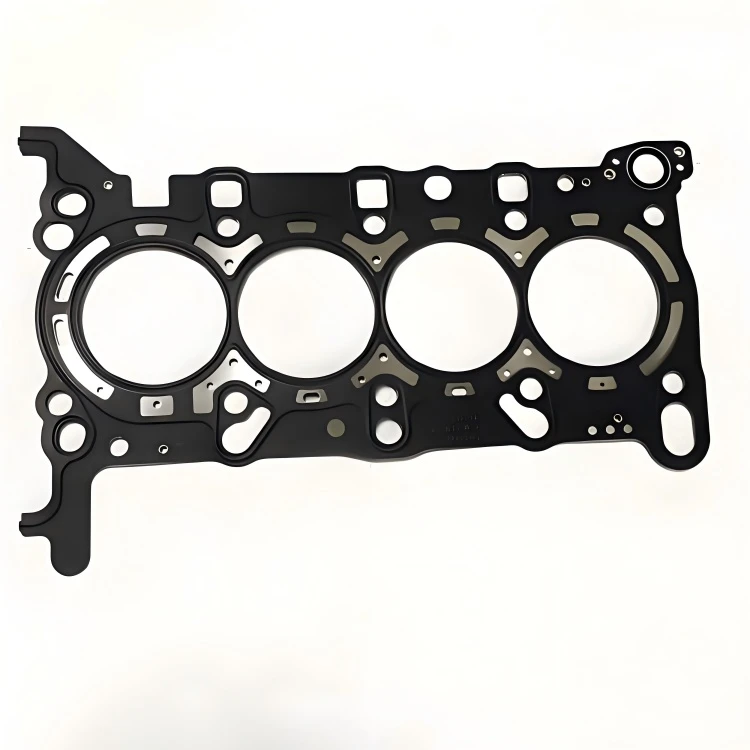
The metal cylinder gasket is designed to withstand high temperatures and pressures. It is typically made of materials such as steel, copper, or a combination of metals. Some gaskets may have a coating or sealing compound applied to enhance their sealing properties. Make sure to follow the manufacturer's instructions regarding the use of any additional sealants or coatings.
3. Positioning the Gasket
Proper positioning of the metal cylinder gasket is crucial for a successful installation. Align the gasket with the holes in the engine block and cylinder head. Some gaskets may have alignment pins or markings to help with this process. Take your time to ensure that the gasket is centered and properly seated.
It is important to note that some metal cylinder gaskets are designed to be installed in a specific orientation. Refer to the manufacturer's instructions to determine the correct orientation. Installing the gasket in the wrong direction can lead to leaks and poor performance.
4. Applying Torque
Once the gasket is properly positioned, it is time to install the cylinder head bolts. Use a torque wrench to tighten the bolts to the manufacturer's specifications. Over-tightening or under-tightening the bolts can cause the gasket to fail. Follow the recommended torque sequence to ensure even distribution of pressure across the gasket.
The torque sequence typically starts from the center of the cylinder head and works outward in a crisscross pattern. This helps to prevent warping of the cylinder head and ensures a uniform seal. Apply the torque in multiple steps, gradually increasing the torque to the final specification.
5. Reassembling the Engine
After tightening the cylinder head bolts, reassemble the rest of the engine components. This may include installing the intake and exhaust manifolds, valve covers, and other accessories. Make sure to follow the manufacturer's instructions for each component.
Once the engine is reassembled, it is important to perform a leak test to ensure that the gasket is sealing properly. This can be done by pressurizing the cooling system and checking for any signs of leaks. If a leak is detected, the engine may need to be disassembled again to correct the problem.
6. Break-In Period
After installing a new metal cylinder gasket, it is recommended to follow a break-in period. This allows the gasket to conform to the surfaces of the engine block and cylinder head and ensures a proper seal. During the break-in period, avoid high-speed driving and heavy loads. Follow the manufacturer's recommendations for the break-in period and maintenance schedule.
Conclusion
Proper installation of a metal cylinder gasket is essential for the performance and reliability of an engine. By following these steps and considerations, you can ensure a successful installation and avoid costly repairs down the road. As a supplier of Metal Cylinder Gasket, I am committed to providing high-quality products and supporting our customers with the information and resources they need.
If you are in the market for a high-quality metal cylinder gasket, consider our High-Seal Cylinder Gasket. Our gaskets are designed to meet the highest standards of quality and performance. If you have any questions or need further assistance with the installation of a metal cylinder gasket, please do not hesitate to contact us. We are here to help you with your procurement needs and ensure that you get the best product for your application.
References
- Engine Gasket Installation Guide, [Manufacturer's Name], [Year]
- Automotive Repair Manual, [Author's Name], [Publisher], [Year]


