


Hey there! As a supplier of Flexible Graphite Strip, I often get asked about how to bond this amazing material to other surfaces. Well, you're in the right place because today, I'm gonna share some tips and tricks on how to do just that.
First off, let's talk a bit about what Flexible Graphite Strip is. It's a super versatile material known for its high thermal conductivity, chemical resistance, and flexibility. You can find it being used in a wide range of industries, from automotive to electronics, and even in some high - tech aerospace applications. If you want to learn more about it, check out our Flexible Graphite Strip page.
Understanding the Bonding Process
Bonding Flexible Graphite Strip to other materials isn't rocket science, but it does require a bit of knowledge and the right approach. The key is to understand the properties of both the graphite strip and the material you're bonding it to. Different materials have different surface energies, which can affect how well the bond will hold.
Surface Preparation
The first step in any bonding process is preparing the surfaces. You gotta make sure both the Flexible Graphite Strip and the other material are clean and free of any dirt, grease, or debris. A simple way to do this is by using a mild solvent, like isopropyl alcohol. Just dampen a clean cloth with the alcohol and wipe down the surfaces. Let them dry completely before moving on to the next step.
If the surface of the other material is rough, you might want to sand it lightly. This will create a better surface for the adhesive to grip onto. But be careful not to sand too hard, especially if you're working with a delicate material.

Choosing the Right Adhesive
Picking the right adhesive is crucial for a successful bond. There are several types of adhesives available, each with its own set of properties and uses.
- Epoxy Adhesives: These are known for their strong bonding strength and durability. They can withstand high temperatures and are resistant to chemicals. Epoxy adhesives are a great choice if you need a long - lasting bond, especially in harsh environments.
- Acrylic Adhesives: Acrylic adhesives offer good bonding strength and are also resistant to weathering. They have a relatively fast curing time, which means you can get your project done quicker.
- Silicone Adhesives: Silicone adhesives are flexible and can withstand a wide range of temperatures. They're also resistant to moisture, making them a good option for applications where the bond might be exposed to water.
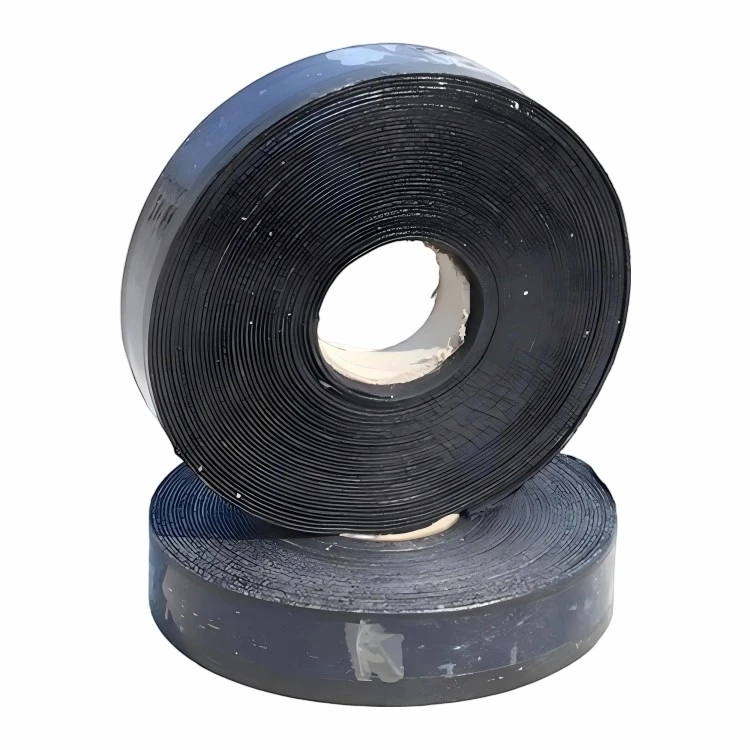
One product that I'd recommend checking out is Graphite Adhesive Tape. It's specifically designed for bonding graphite materials and can make the bonding process a whole lot easier.
Applying the Adhesive
Once you've chosen your adhesive, it's time to apply it. Follow the manufacturer's instructions carefully, as different adhesives have different application methods.
If you're using a liquid adhesive, use a brush or a syringe to apply a thin, even layer to one of the surfaces. Make sure to cover the entire area where the Flexible Graphite Strip will be bonded. Don't apply too much adhesive, as this can lead to messy joints and a weaker bond.
If you're using a tape like the Graphite Adhesive Tape, just peel off the backing and stick it to one of the surfaces. Press down firmly to ensure good contact.
Bonding the Flexible Graphite Strip
After applying the adhesive, carefully place the Flexible Graphite Strip onto the other material. Align it properly and make sure there are no air bubbles trapped between the two surfaces. You can use a roller or a flat tool to press the strip down firmly and remove any air bubbles.
Depending on the type of adhesive you're using, you might need to apply some pressure for a certain period of time to allow the adhesive to cure. Some adhesives require clamping, while others just need to be left alone to dry. Again, follow the manufacturer's instructions.
Curing and Finishing
Let the bond cure completely before subjecting it to any stress or load. The curing time can vary depending on the adhesive, temperature, and humidity. In general, it's a good idea to wait at least 24 hours before using the bonded parts.
Once the bond is cured, you can trim any excess Flexible Graphite Strip using a sharp knife or scissors. You might also want to clean up the edges to give your project a more professional look.
Troubleshooting
Sometimes, things don't go as planned. Here are some common problems you might encounter and how to fix them:
- Weak Bond: If the bond isn't as strong as you'd like, it could be due to improper surface preparation or the wrong adhesive. Try cleaning the surfaces again and using a different adhesive.
- Air Bubbles: Air bubbles can weaken the bond. To prevent them, make sure to apply the adhesive evenly and press the Flexible Graphite Strip down firmly. If you already have air bubbles, you can try using a pin to prick them and then pressing the strip down again.
- Adhesive Failure: If the adhesive fails, it could be because it wasn't compatible with the materials or it didn't cure properly. Check the adhesive's compatibility with the materials and make sure you followed the curing instructions correctly.
Conclusion
Bonding Flexible Graphite Strip to other materials can be a straightforward process if you follow the right steps. By properly preparing the surfaces, choosing the right adhesive, and following the application and curing instructions, you can create a strong and durable bond.
If you're interested in purchasing Flexible Graphite Strip or have any questions about the bonding process, feel free to reach out. We're here to help you with all your graphite material needs. Whether you're a DIY enthusiast or a professional in the industry, we've got the products and expertise to support your projects.
References
- "Adhesive Bonding Handbook" by some adhesive experts (this is a made - up reference for the purpose of the blog, in a real - world scenario, you'd need to cite actual published works).
- Manufacturer's instructions of various adhesives used in the bonding process.


