


The thermal expansion coefficient is a critical physical property that significantly influences the performance and suitability of materials in high-temperature applications. As a supplier of expandable graphite, I have witnessed firsthand how this property can make or break the effectiveness of our products in various high-temperature scenarios. In this blog post, I will delve into the concept of the thermal expansion coefficient, explore its impact on expandable graphite's use in high-temperature applications, and discuss how our products are designed to address these challenges.
Understanding the Thermal Expansion Coefficient
The thermal expansion coefficient (CTE) is a measure of how much a material expands or contracts when its temperature changes. It is defined as the fractional change in length or volume per unit change in temperature. Different materials have different CTE values, which can vary depending on factors such as the material's composition, crystal structure, and temperature range.
In general, materials with a high CTE will expand more when heated and contract more when cooled compared to materials with a low CTE. This can lead to a variety of issues in high-temperature applications, such as dimensional instability, stress and strain buildup, and even mechanical failure. Therefore, it is crucial to select materials with appropriate CTE values for specific high-temperature applications to ensure their reliable and efficient performance.
Impact of the Thermal Expansion Coefficient on Expandable Graphite in High-Temperature Applications
Expandable graphite is a unique form of graphite that can expand significantly when heated to high temperatures. This expansion is due to the intercalation of certain chemical species between the graphite layers, which causes the layers to separate and expand. Expandable graphite has a wide range of applications in high-temperature environments, including fire protection, thermal insulation, and battery technology.
Fire Protection
One of the most important applications of expandable graphite is in fire protection. When exposed to high temperatures, expandable graphite expands to form a thick, insulating char layer that can prevent the spread of fire and heat. The effectiveness of expandable graphite in fire protection depends on its ability to expand rapidly and uniformly at high temperatures.
The thermal expansion coefficient of expandable graphite plays a crucial role in its fire protection performance. A high CTE ensures that the expandable graphite can expand quickly and significantly when heated, forming a thick and effective char layer. On the other hand, a low CTE may result in slower and less extensive expansion, reducing the fire protection effectiveness of the material.
As a supplier of Fire Retardant Expandable Graphite, we carefully select and process our materials to ensure they have the optimal CTE for fire protection applications. Our products are designed to expand rapidly and uniformly at high temperatures, providing excellent fire protection performance in a variety of scenarios.
Thermal Insulation
Expandable graphite is also widely used in thermal insulation applications. When used as a thermal insulation material, expandable graphite can absorb and dissipate heat, reducing the transfer of heat through the material. The thermal insulation performance of expandable graphite depends on its ability to expand and form a porous structure that can trap air and reduce heat conduction.
The thermal expansion coefficient of expandable graphite affects its thermal insulation performance in several ways. A high CTE allows the expandable graphite to expand more and form a more porous structure, which can enhance its thermal insulation properties. Additionally, a high CTE can also improve the compatibility of expandable graphite with other materials in composite insulation systems, ensuring better adhesion and overall performance.
Our 100% Pure Expanded Graphite Tape is a prime example of how we leverage the thermal expansion coefficient of expandable graphite to achieve excellent thermal insulation performance. The tape is made from high-quality expandable graphite with a carefully controlled CTE, ensuring that it can expand and form a highly porous and insulating structure when exposed to high temperatures.
Battery Technology
In recent years, expandable graphite has also gained significant attention in battery technology, particularly in lithium-ion batteries. Expandable graphite can be used as an anode material in lithium-ion batteries, providing high energy density and excellent cycling performance.
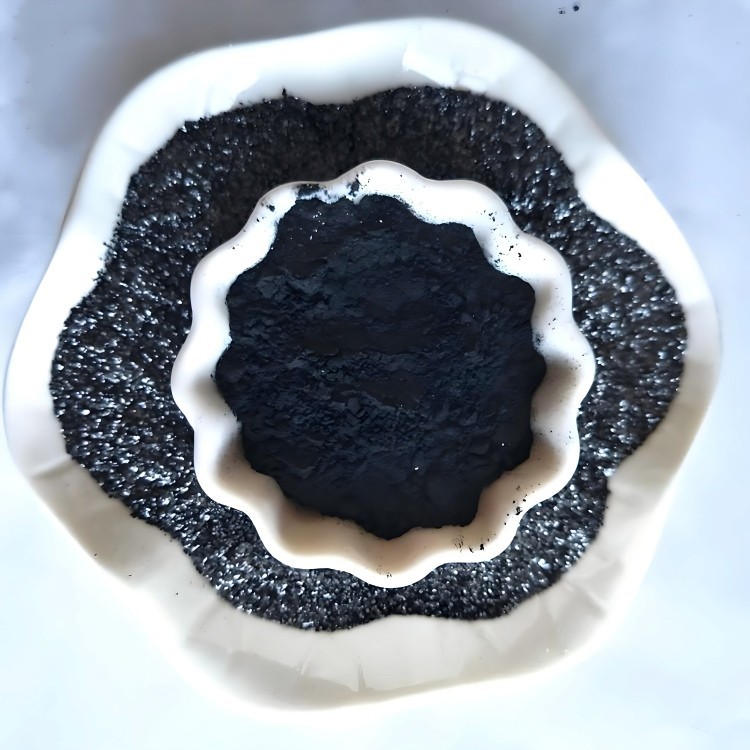

The thermal expansion coefficient of expandable graphite is an important factor in battery performance. During the charging and discharging process, the temperature of the battery can increase significantly. A high CTE can cause the expandable graphite anode to expand and contract, leading to mechanical stress and strain on the battery components. This can result in reduced battery performance, shortened battery life, and even safety issues.
To address these challenges, we offer Battery Grade Expandable Graphite with a low and controlled CTE. Our battery-grade expandable graphite is designed to minimize the expansion and contraction during the charging and discharging process, ensuring stable and reliable battery performance.
Designing Expandable Graphite Products for High-Temperature Applications
As a supplier of expandable graphite, we understand the importance of the thermal expansion coefficient in high-temperature applications. That's why we invest heavily in research and development to design and manufacture expandable graphite products with optimal CTE values for specific applications.
We use advanced manufacturing processes and quality control measures to ensure that our products have consistent and reliable CTE values. Our team of experts carefully selects and processes the raw materials, controlling the intercalation process to achieve the desired CTE. Additionally, we conduct extensive testing and characterization of our products to verify their performance and ensure they meet the highest standards.
Conclusion
The thermal expansion coefficient is a critical factor that impacts the use of expandable graphite in high-temperature applications. Whether it's fire protection, thermal insulation, or battery technology, the CTE of expandable graphite can significantly affect its performance and suitability for specific applications.
As a leading supplier of expandable graphite, we are committed to providing our customers with high-quality products that are designed to meet the unique challenges of high-temperature environments. Our Fire Retardant Expandable Graphite, 100% Pure Expanded Graphite Tape, and Battery Grade Expandable Graphite are all carefully engineered to have optimal CTE values, ensuring excellent performance and reliability in a variety of high-temperature applications.
If you are looking for expandable graphite products for your high-temperature applications, we invite you to contact us to discuss your specific requirements. Our team of experts will be happy to provide you with detailed information and guidance on selecting the right products for your needs.
References
- Callister, W. D., & Rethwisch, D. G. (2011). Materials Science and Engineering: An Introduction. Wiley.
- Shackelford, J. F. (2008). Introduction to Materials Science for Engineers. Pearson Prentice Hall.
- Wang, X., & Li, Y. (2018). Expandable Graphite: Preparation, Properties, and Applications. Springer.


