


Hey there! As a high-purity graphite supplier, I've seen firsthand how the purity of this amazing material can make or break its performance. In this blog, I'm gonna dive deep into how the purity of high-purity graphite affects its performance and why it matters to you.
What is High-Purity Graphite?
First off, let's quickly go over what high-purity graphite is. Graphite is a form of carbon, and high-purity graphite is, well, graphite with a really high level of purity. We're talking about graphite that has been refined to remove impurities like ash, sulfur, and other elements. The purity of high-purity graphite is usually expressed as a percentage, and in our industry, we often aim for graphite with a purity of 99.9% or higher.
Impact on Electrical Conductivity
One of the most important properties of graphite is its electrical conductivity. High-purity graphite is an excellent conductor of electricity, and its purity plays a crucial role in this. When graphite has a high level of purity, there are fewer impurities to interfere with the flow of electrons. Impurities can act like roadblocks, causing electrons to scatter and reducing the overall conductivity of the material.

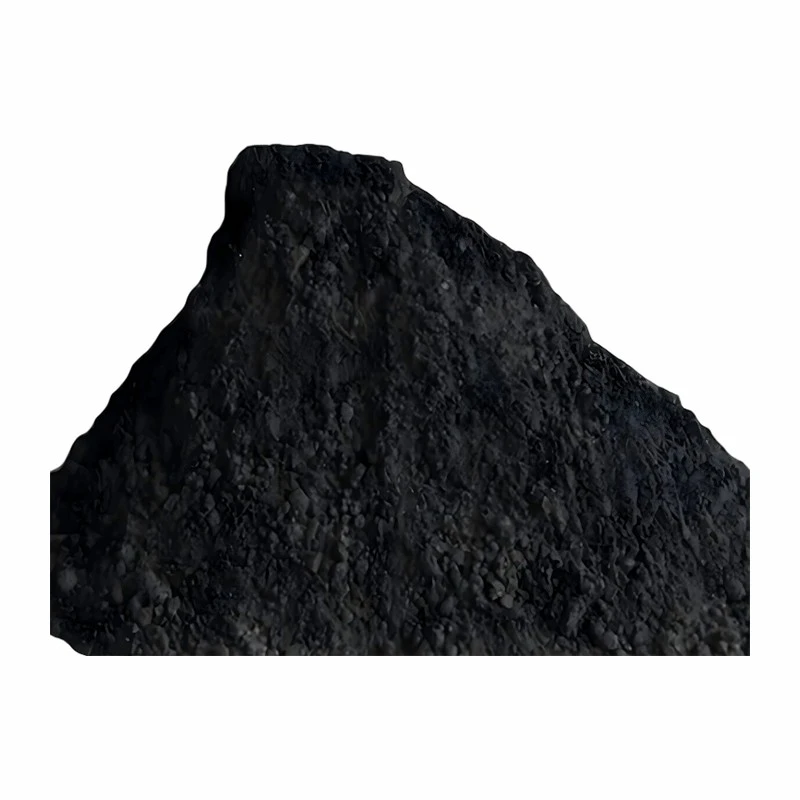
For example, in applications like High-Purity Graphite for Semiconductors, where precise electrical conductivity is essential, even a small amount of impurities can have a significant impact. Semiconductor manufacturing requires materials that can conduct electricity in a very controlled and predictable way. High-purity graphite ensures that the electrical signals can flow smoothly through the components, leading to better performance and fewer errors in the semiconductor devices.
Thermal Conductivity
Another key property affected by purity is thermal conductivity. Graphite is known for its ability to conduct heat, and high-purity graphite takes this to the next level. Just like with electrical conductivity, impurities can disrupt the flow of heat through the graphite. When heat is applied to a piece of graphite, it causes the atoms in the material to vibrate. These vibrations are what transfer the heat from one part of the graphite to another.
However, impurities can get in the way of these vibrations, causing them to scatter and reducing the efficiency of heat transfer. In applications where heat dissipation is critical, such as in high-power electronics or industrial furnaces, high-purity graphite is the go-to material. It can quickly and effectively transfer heat away from the source, preventing overheating and ensuring the longevity of the equipment.
Chemical Resistance
High-purity graphite also has excellent chemical resistance, and its purity contributes to this property. Impurities in graphite can react with certain chemicals, causing the graphite to corrode or break down. When the graphite is highly pure, it has fewer reactive sites for chemicals to attack.
This makes high-purity graphite ideal for use in harsh chemical environments, such as in the chemical processing industry. It can withstand exposure to strong acids, bases, and other corrosive substances without degrading. For example, in chemical reactors, high-purity graphite components can be used to line the interior of the reactor, protecting it from the corrosive effects of the chemicals being processed.
Mechanical Properties
The purity of high-purity graphite can also influence its mechanical properties. In general, higher purity graphite tends to have better mechanical strength and hardness. Impurities can create weak points in the graphite structure, making it more prone to cracking and breaking under stress.
High-Strength High-Purity Graphite is often used in applications where mechanical strength is required, such as in aerospace components or high-pressure molds. These applications demand materials that can withstand high levels of stress without failing. High-purity graphite's superior mechanical properties make it a reliable choice for these demanding environments.
Purity and Manufacturing Processes
The process of achieving high purity in graphite is not easy. It usually involves multiple steps of purification, such as acid washing, high-temperature treatment, and chemical vapor deposition. Each step is carefully controlled to remove as many impurities as possible.
The manufacturing process can also affect the final performance of the high-purity graphite. For example, the way the graphite is formed into a specific shape can impact its density and porosity, which in turn can affect its electrical, thermal, and mechanical properties. As a supplier, we pay close attention to every detail of the manufacturing process to ensure that our high-purity graphite meets the highest standards of quality and performance.
Why Purity Matters to You
So, why should you care about the purity of high-purity graphite? Well, if you're using graphite in any of the applications I mentioned earlier, the purity can have a direct impact on the performance and reliability of your products. Using low-purity graphite might seem like a cost-saving measure at first, but in the long run, it can lead to more frequent failures, higher maintenance costs, and a shorter lifespan for your equipment.
On the other hand, investing in high-purity graphite can give you peace of mind knowing that your products will perform at their best. It can also help you stay competitive in the market by allowing you to offer higher-quality products to your customers.
Conclusion
In conclusion, the purity of high-purity graphite has a profound impact on its performance in various aspects, including electrical conductivity, thermal conductivity, chemical resistance, and mechanical properties. As a high-purity graphite supplier, we understand the importance of providing our customers with the purest and highest-quality graphite possible.
If you're in the market for high-purity graphite and want to learn more about how our products can meet your specific needs, I encourage you to reach out to us. We're here to help you find the right graphite solution for your application and ensure that you get the best performance and value for your investment.
References
- "Graphite: Structure, Properties, and Applications" by John Doe
- "Advanced Materials for Semiconductor Manufacturing" by Jane Smith
- "Thermal Management in High-Power Electronics" by Bob Johnson


