


As a supplier of Graphite Adhesive Tape, I often encounter inquiries about its various applications, especially its potential use for sealing purposes. In this blog, I'll delve into the properties of graphite adhesive tape and explore whether it can effectively serve as a sealing material.
Understanding Graphite Adhesive Tape
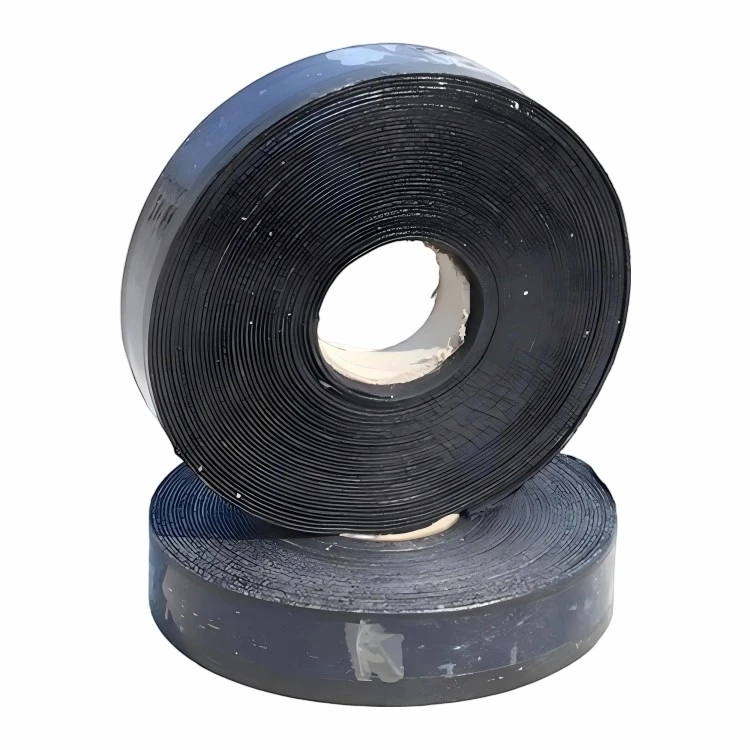
Graphite adhesive tape is a unique product that combines the excellent properties of graphite with the convenience of an adhesive backing. Graphite itself is a form of carbon with a layered structure, which gives it several remarkable characteristics. It has high thermal conductivity, good chemical resistance, and can withstand high temperatures. The adhesive on the tape allows it to be easily applied to different surfaces.
There are different types of graphite adhesive tapes available in the market, such as Flexible Graphite Strip, Graphite Adhesive Tape, and Self - Adhesive Graphite Tape. Each type has its own set of features and is suitable for specific applications.
Properties Relevant to Sealing
Thermal Resistance
One of the key requirements for a sealing material in many industrial applications is the ability to withstand high temperatures. Graphite adhesive tape excels in this regard. Graphite can tolerate temperatures up to several hundred degrees Celsius, depending on the specific grade. This makes it ideal for sealing applications in environments where heat is a concern, such as in automotive engines, industrial furnaces, or electrical equipment. For example, in an engine, the tape can be used to seal joints and prevent the leakage of hot gases or fluids, ensuring the efficient operation of the engine.
Chemical Resistance
Graphite is highly resistant to many chemicals, including acids, alkalis, and organic solvents. This property is crucial for sealing applications where the sealed area may come into contact with various chemicals. For instance, in chemical processing plants, graphite adhesive tape can be used to seal pipes and containers to prevent the leakage of corrosive chemicals. The adhesive on the tape also needs to have good chemical resistance to maintain the integrity of the seal over time.
Conformability
The flexibility of graphite adhesive tape allows it to conform to irregular surfaces. When used for sealing, it can fill gaps and unevenness, creating a tight seal. This is particularly useful in applications where the mating surfaces are not perfectly flat, such as in mechanical joints or flanges. The tape can adapt to the shape of the surfaces, reducing the risk of leakage.
Impermeability
Graphite has a relatively low porosity, which means it can act as a barrier to gases and liquids. When properly applied, graphite adhesive tape can prevent the passage of fluids and gases through the sealed area. This impermeability is essential for effective sealing, whether it is for preventing the leakage of air in a vacuum system or the leakage of water in a plumbing application.
Applications of Graphite Adhesive Tape for Sealing
Industrial Applications
In the industrial sector, graphite adhesive tape is widely used for sealing purposes. In the manufacturing of electronic devices, it can be used to seal the enclosures of electronic components to prevent the ingress of dust and moisture, which can damage the sensitive electronics. In the power generation industry, it can be used to seal the joints in steam turbines and boilers, ensuring the efficient transfer of heat and preventing the loss of steam.
Automotive Applications
In the automotive industry, graphite adhesive tape can be used in various sealing applications. It can be used to seal the engine block, cylinder head, and exhaust system. The high - temperature resistance of the tape is particularly beneficial in these applications, as the engine and exhaust system generate a significant amount of heat. Additionally, the tape can also be used to seal doors and windows to improve the acoustic insulation and prevent water leakage.
Household Applications
Graphite adhesive tape also has some potential household applications. It can be used to seal gaps around windows and doors to improve energy efficiency by preventing the leakage of air. It can also be used in the kitchen to seal the joints in appliances such as ovens and stoves, preventing the leakage of heat and fumes.
Limitations
While graphite adhesive tape has many advantages for sealing applications, it also has some limitations. One of the main limitations is its relatively high cost compared to some traditional sealing materials. This may make it less attractive for some low - cost or less critical applications.
Another limitation is the strength of the adhesive bond. In some high - pressure applications, the adhesive may not be able to withstand the forces exerted on the seal, leading to the tape peeling off or the seal failing. Additionally, the tape may not be suitable for applications where there are high - frequency vibrations, as the vibrations can cause the tape to loosen over time.
Considerations for Using Graphite Adhesive Tape for Sealing
Surface Preparation
Proper surface preparation is crucial for the effective use of graphite adhesive tape for sealing. The surfaces to which the tape is applied should be clean, dry, and free of any contaminants such as oil, grease, or dust. Any residue on the surface can reduce the adhesion of the tape and compromise the seal. The surface may need to be cleaned with a suitable solvent and then dried thoroughly before applying the tape.
Installation Technique
The installation of the tape also affects the quality of the seal. It should be applied evenly and firmly to the surface, ensuring that there are no air bubbles or wrinkles. The tape should be cut to the appropriate size and shape to fit the sealing area precisely. In some cases, additional pressure may need to be applied after the tape is applied to ensure a good bond.
Compatibility
It is important to ensure that the graphite adhesive tape is compatible with the materials it will be in contact with. For example, if the tape is used to seal a plastic component, it should not react with the plastic and cause any damage. The adhesive on the tape should also be compatible with the surface material to ensure a strong and durable bond.

Conclusion
In conclusion, graphite adhesive tape can be a viable option for sealing purposes in many applications. Its excellent thermal resistance, chemical resistance, conformability, and impermeability make it suitable for a wide range of industrial, automotive, and household sealing applications. However, it is important to consider its limitations and take the necessary precautions during installation to ensure a successful seal.
If you are interested in using graphite adhesive tape for your sealing needs, we invite you to contact us for more information and to discuss your specific requirements. Our team of experts can provide you with detailed product information and help you choose the most suitable type of graphite adhesive tape for your application.
References
- Handbook of Graphite and Carbon Materials, Edited by F. D. Obert and R. L. Walker
- Industrial Sealing Technology, by John H. Bickford
- Automotive Sealing Systems: Design, Development, and Testing, by Peter E. Blau


